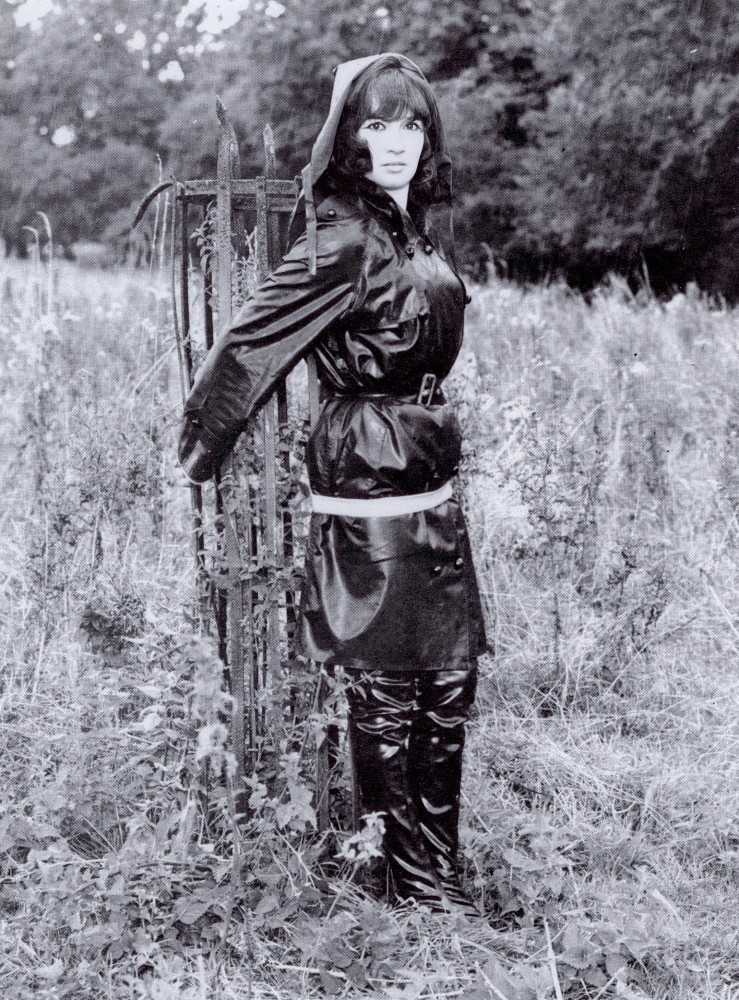
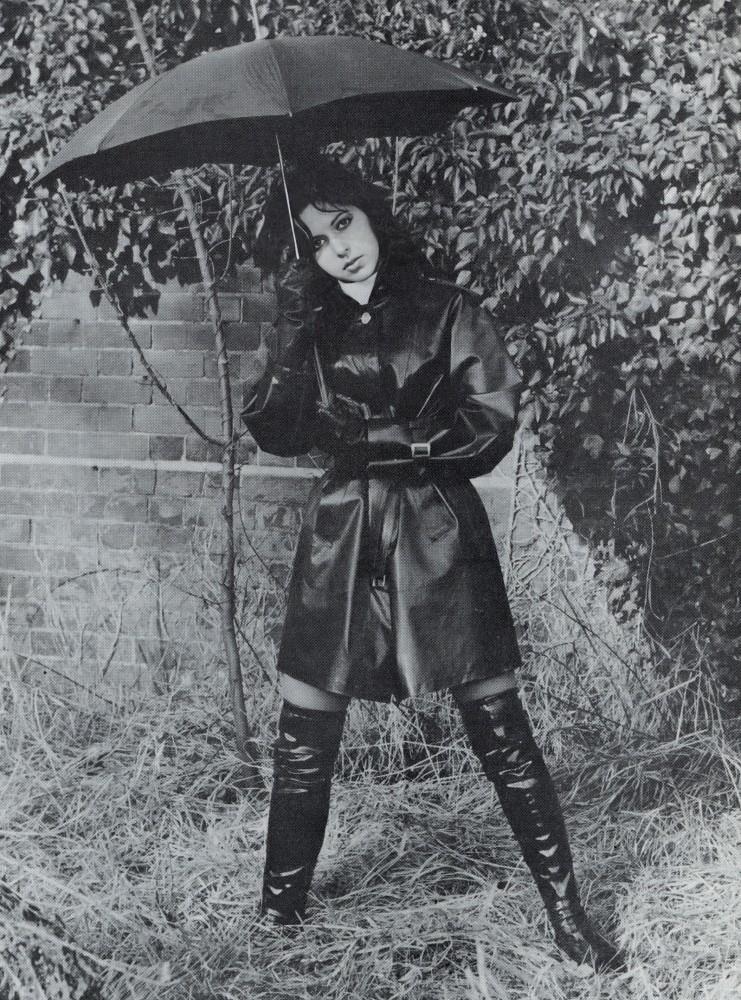
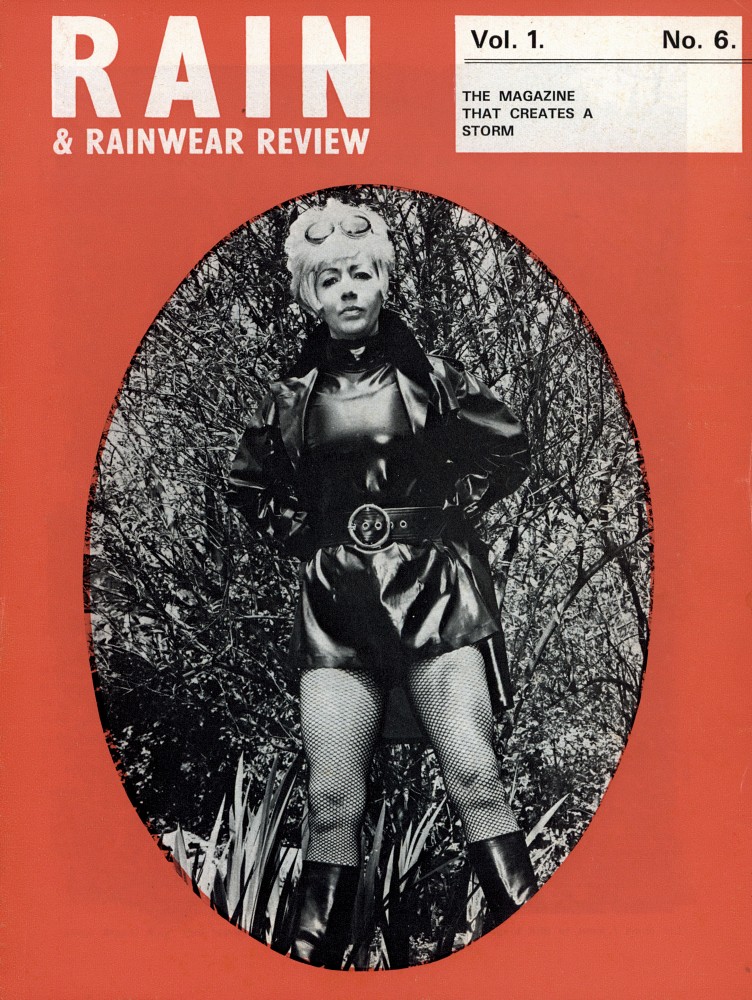
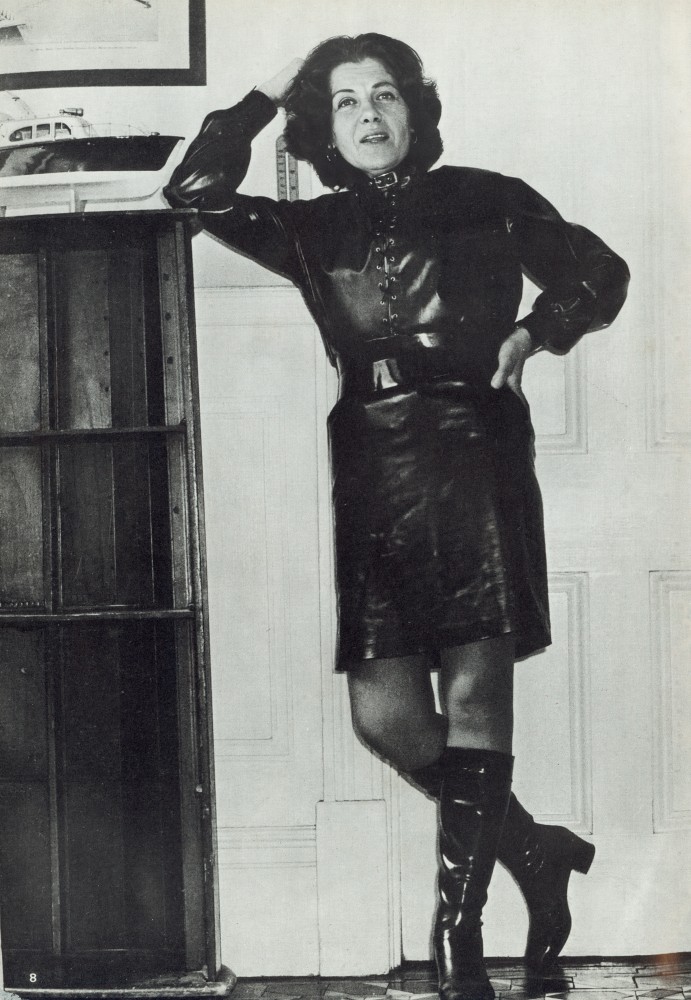
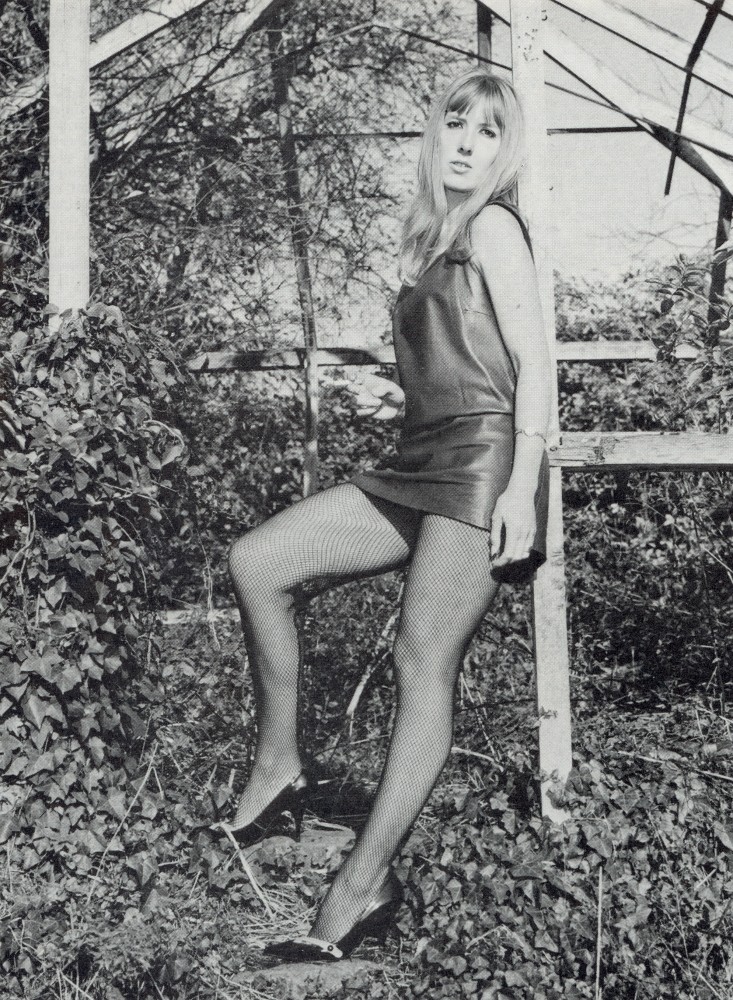
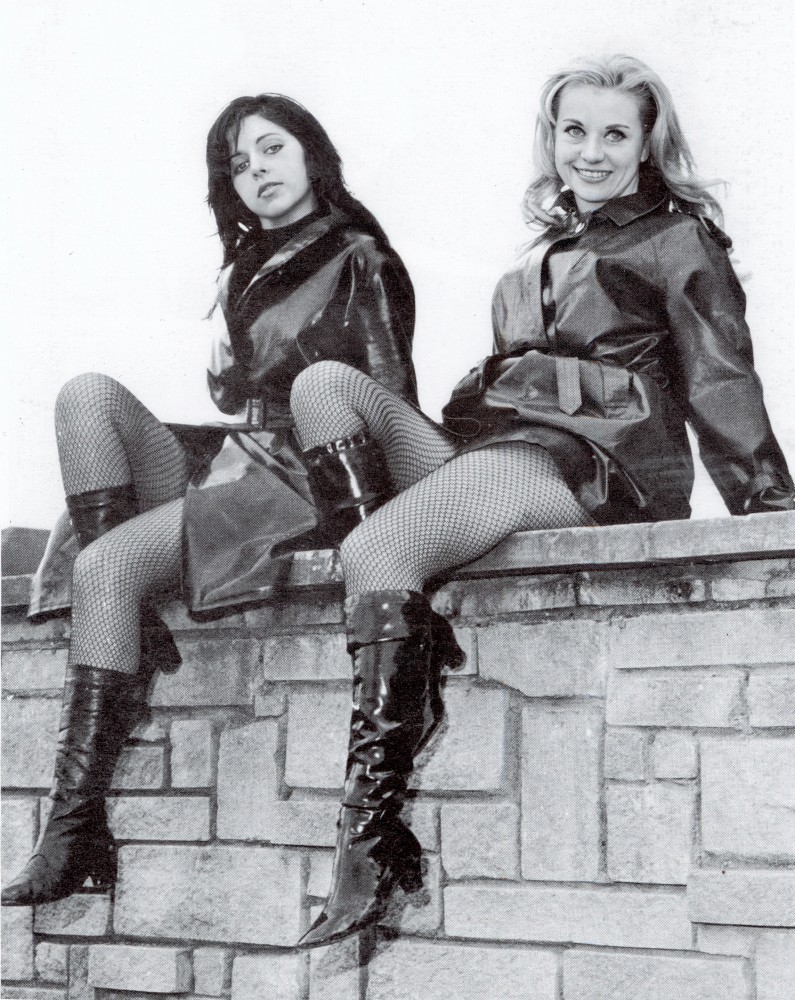
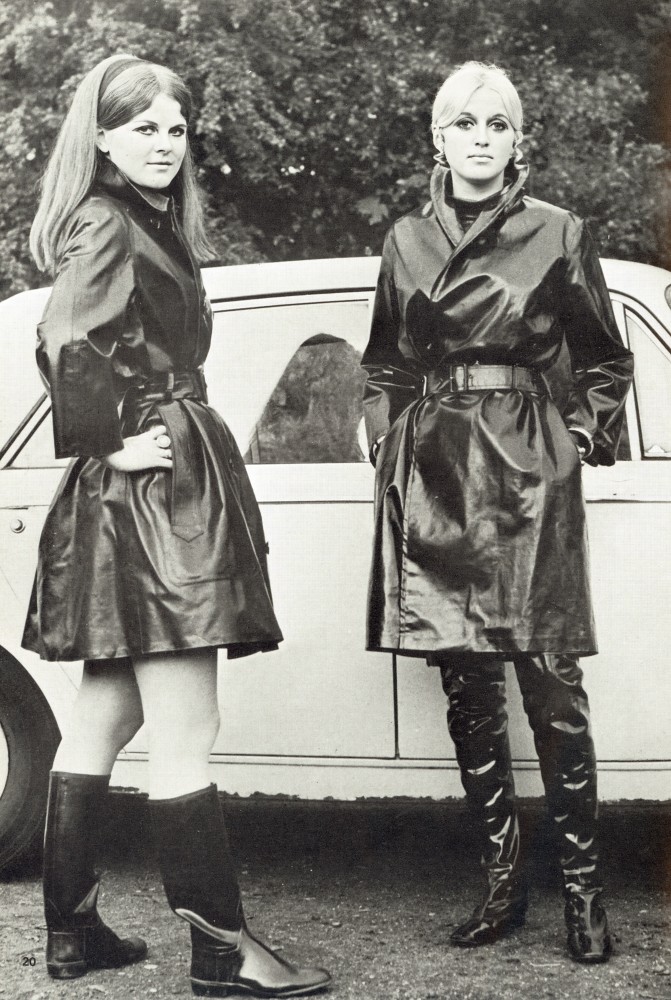
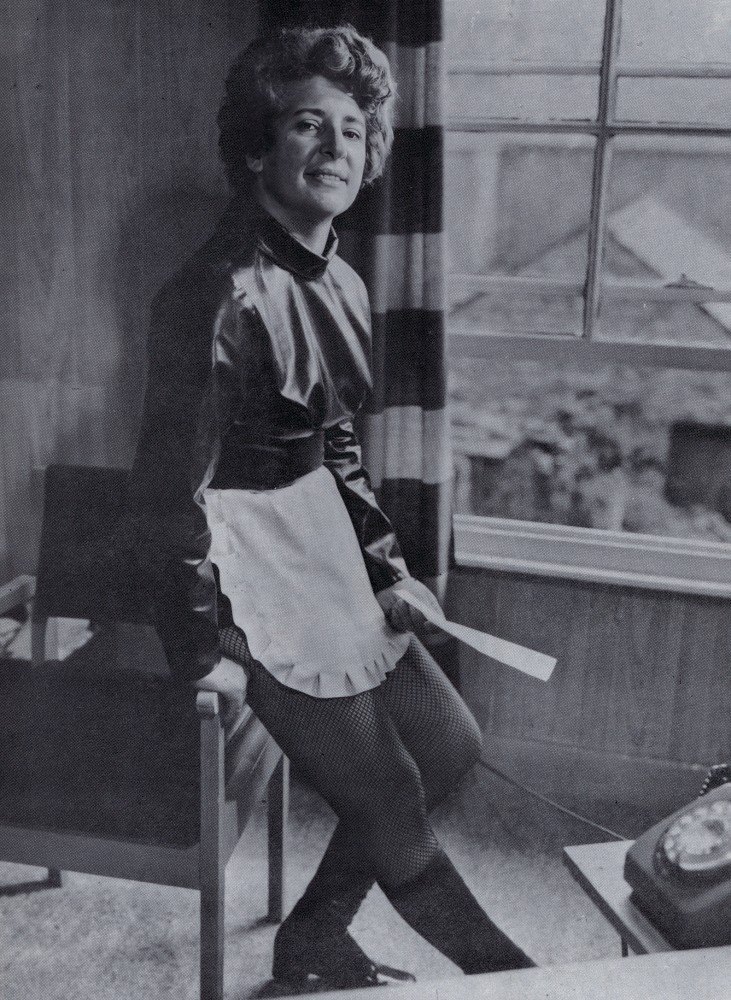
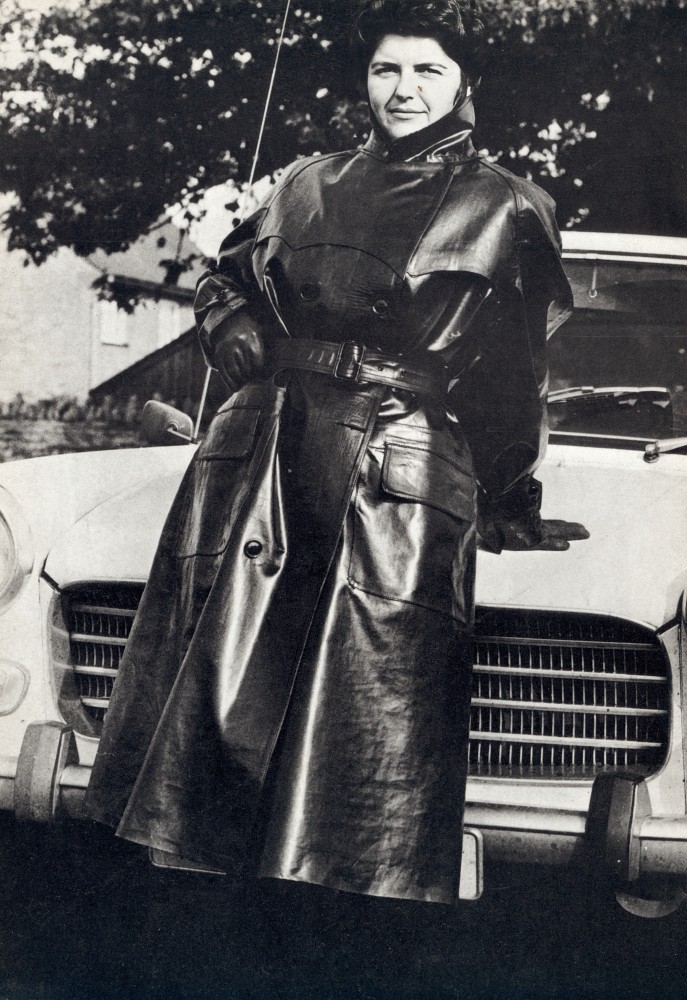
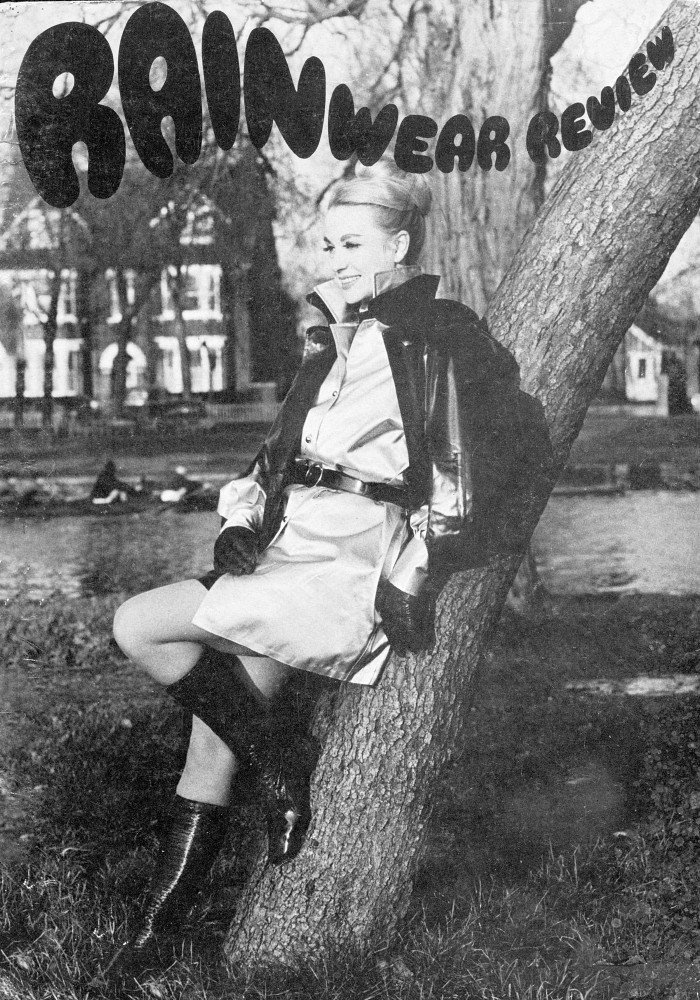
Rain and Rainwear Review: Mackintosh Fetish Magazines from the 1960s and 1970s
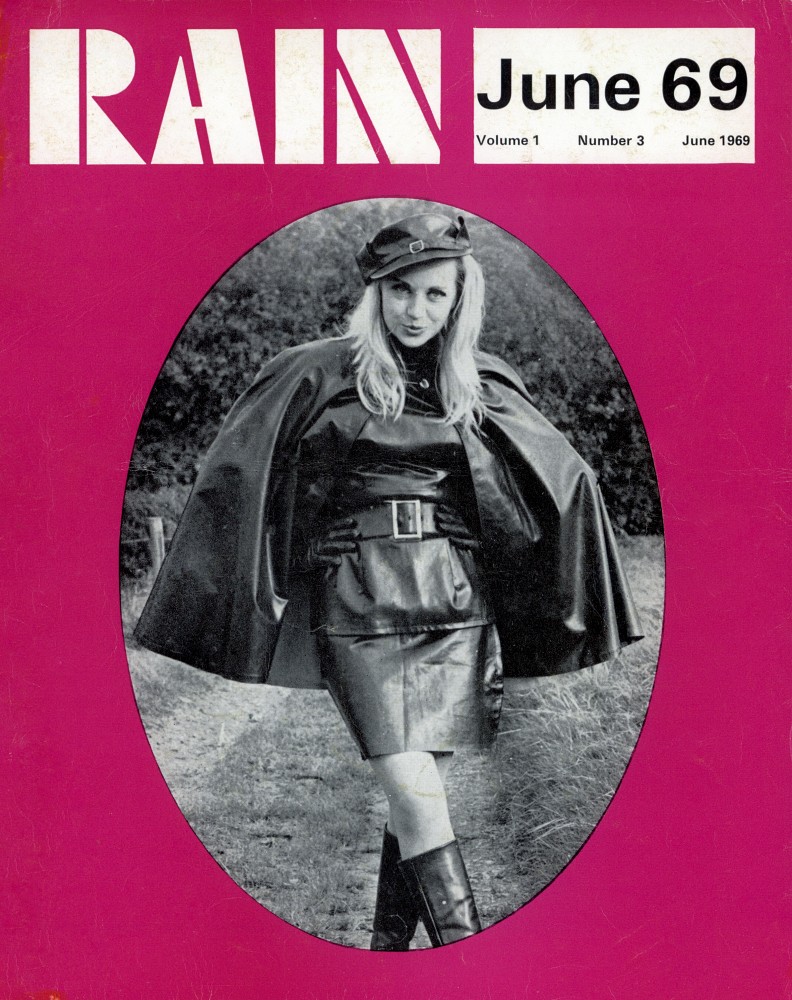
Having only a few copies of each title, I became curious about their origins and decided to research them further. Sadly, very little documented information appears to survive. The information below has therefore been compiled largely from evidence contained within the magazines themselves, helped along by AI in connecting the dots, but ultimately presented here in my own words.
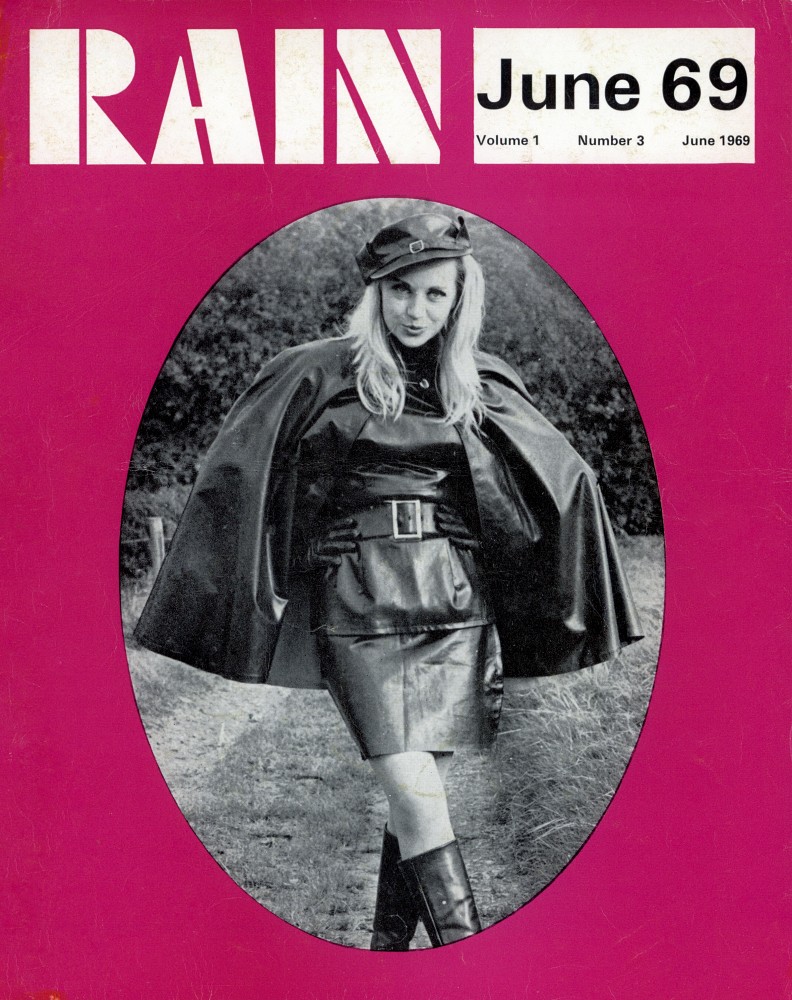
Rain: 1968 to 1970
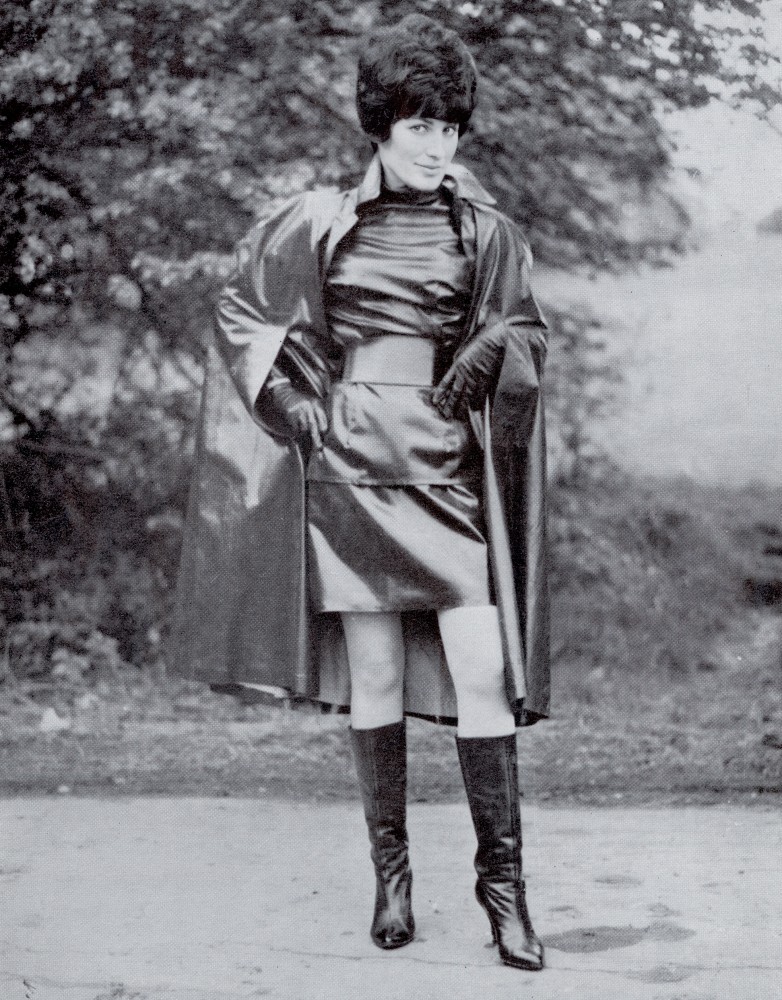
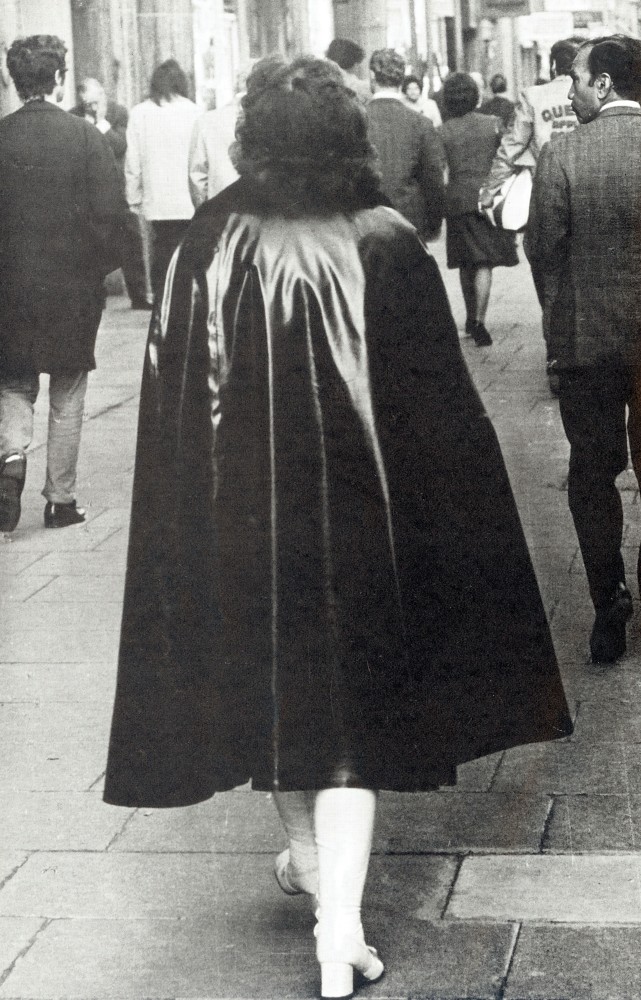
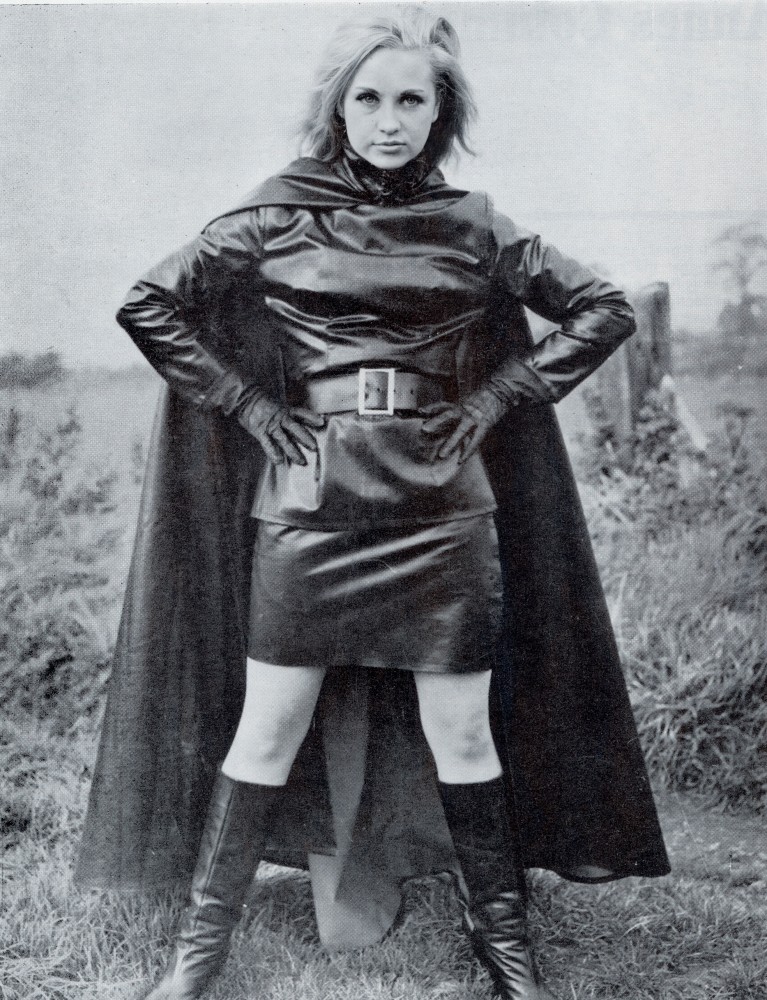
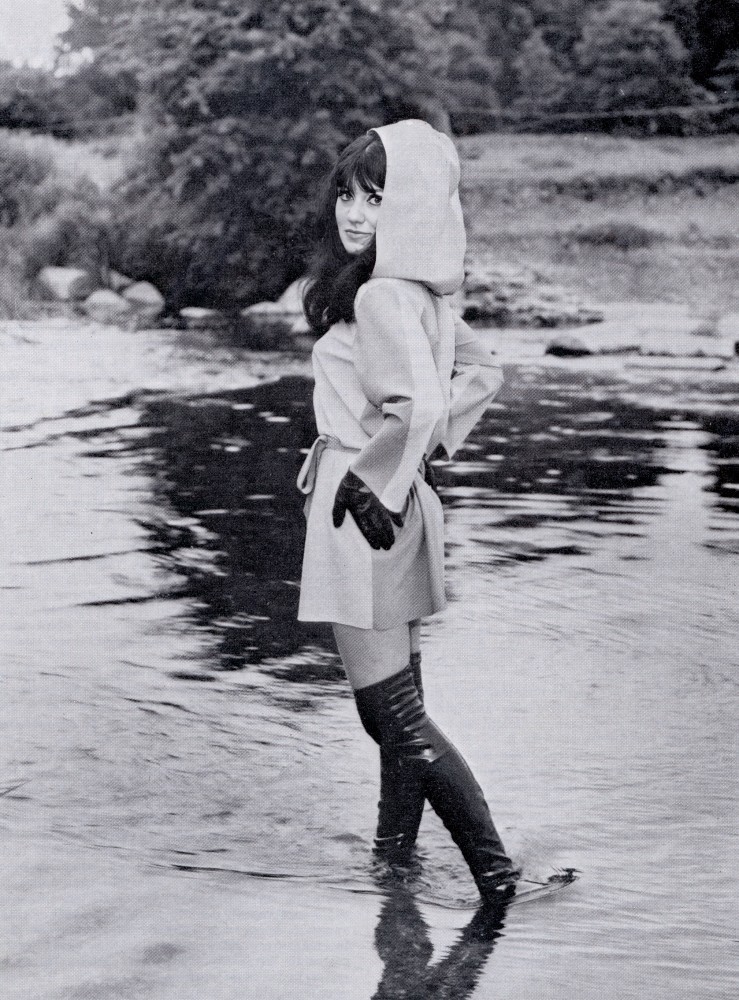
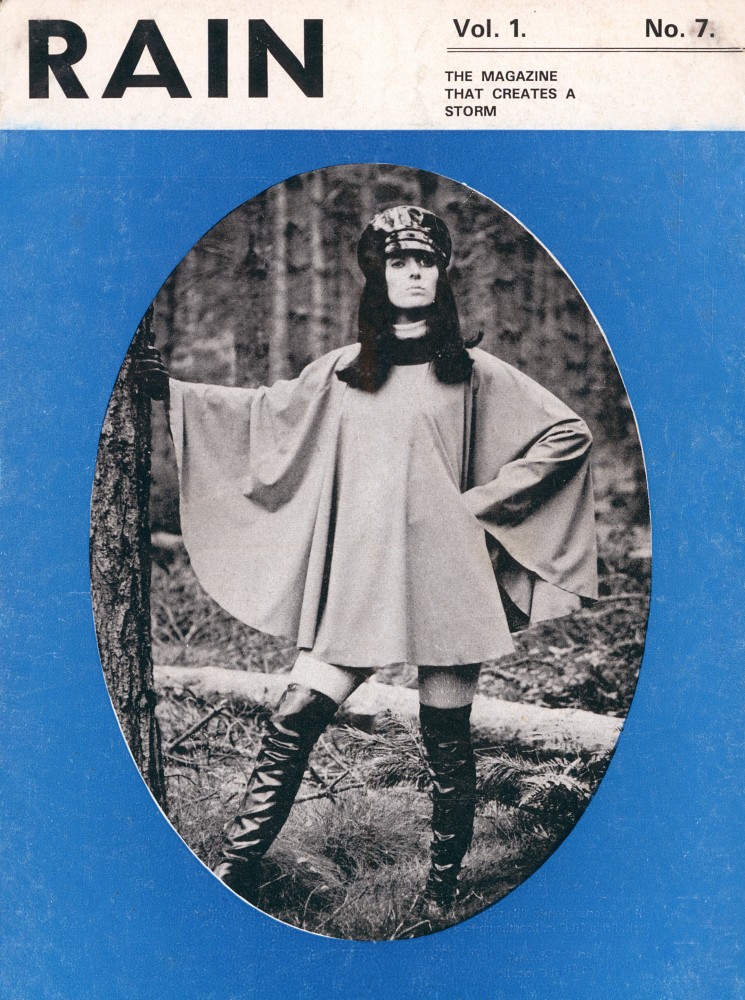
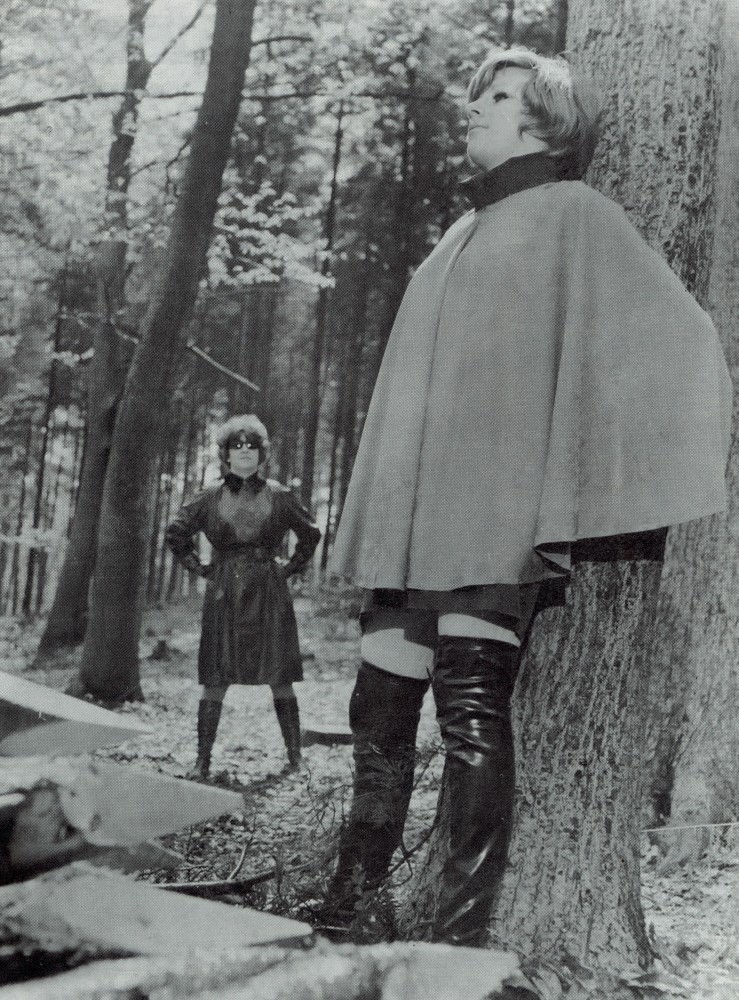
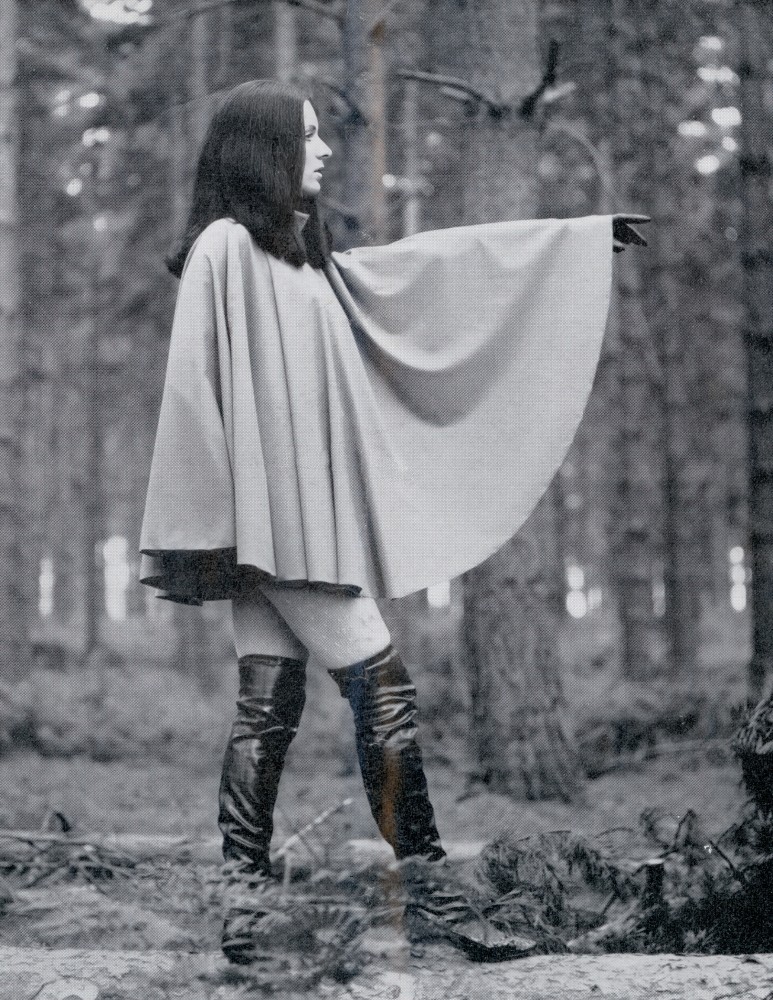
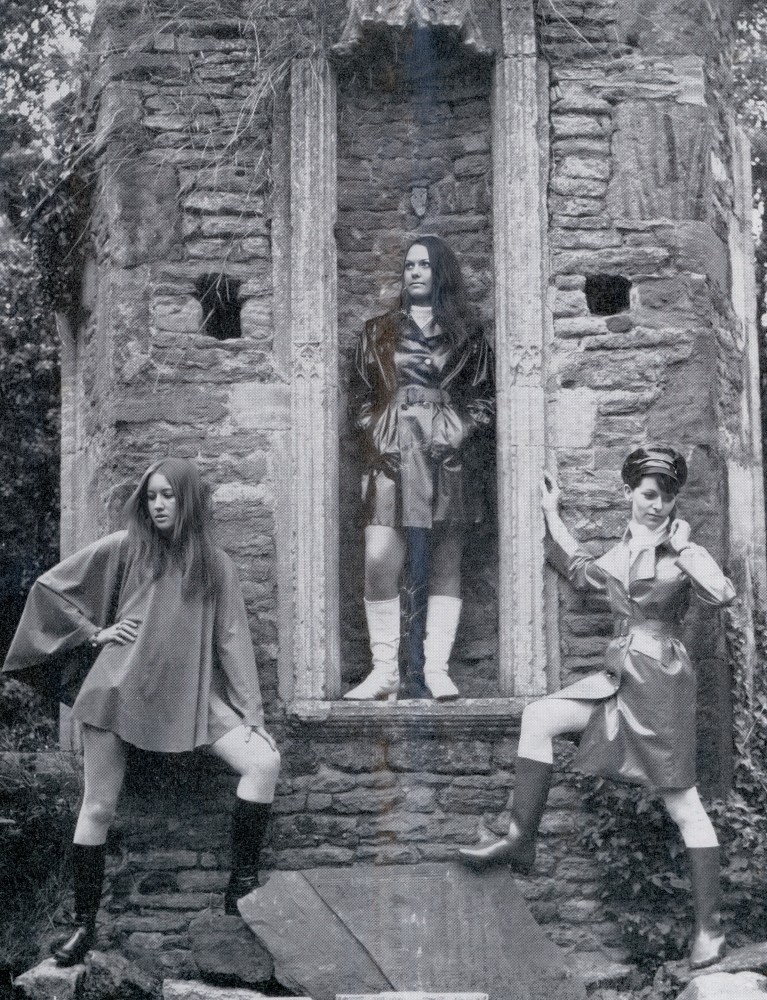
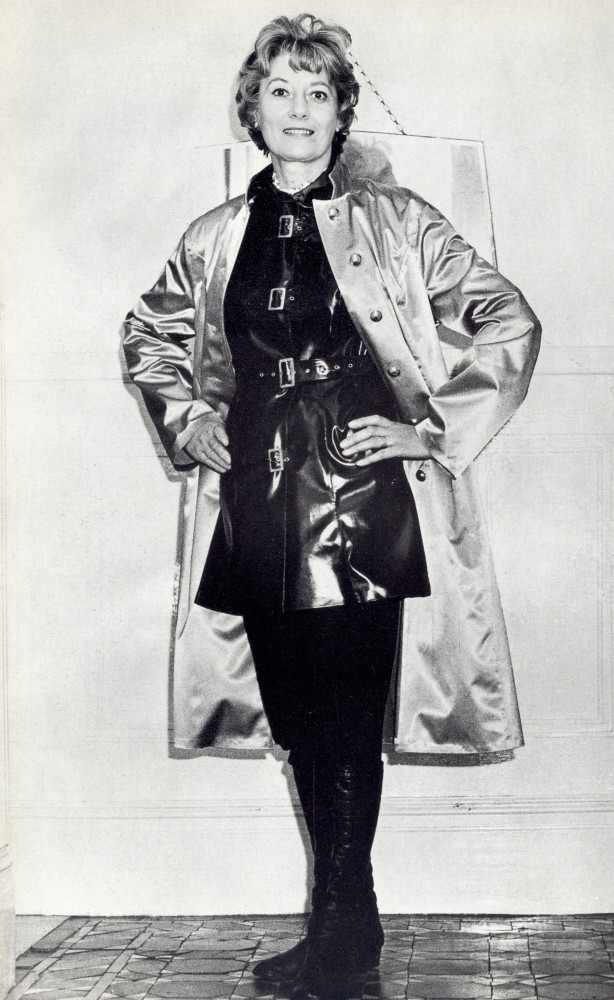
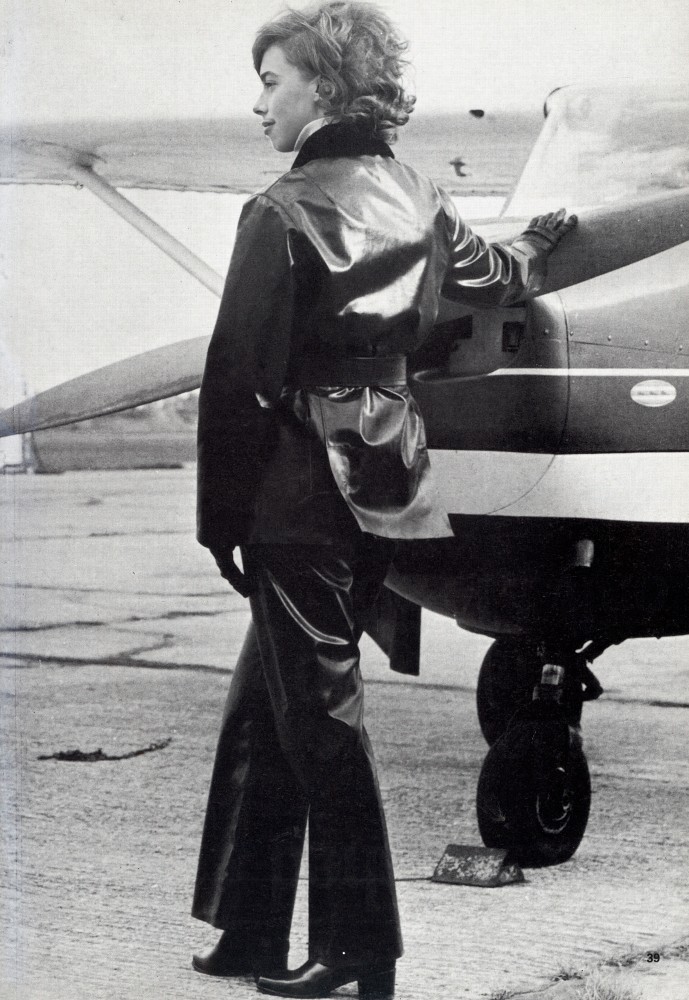
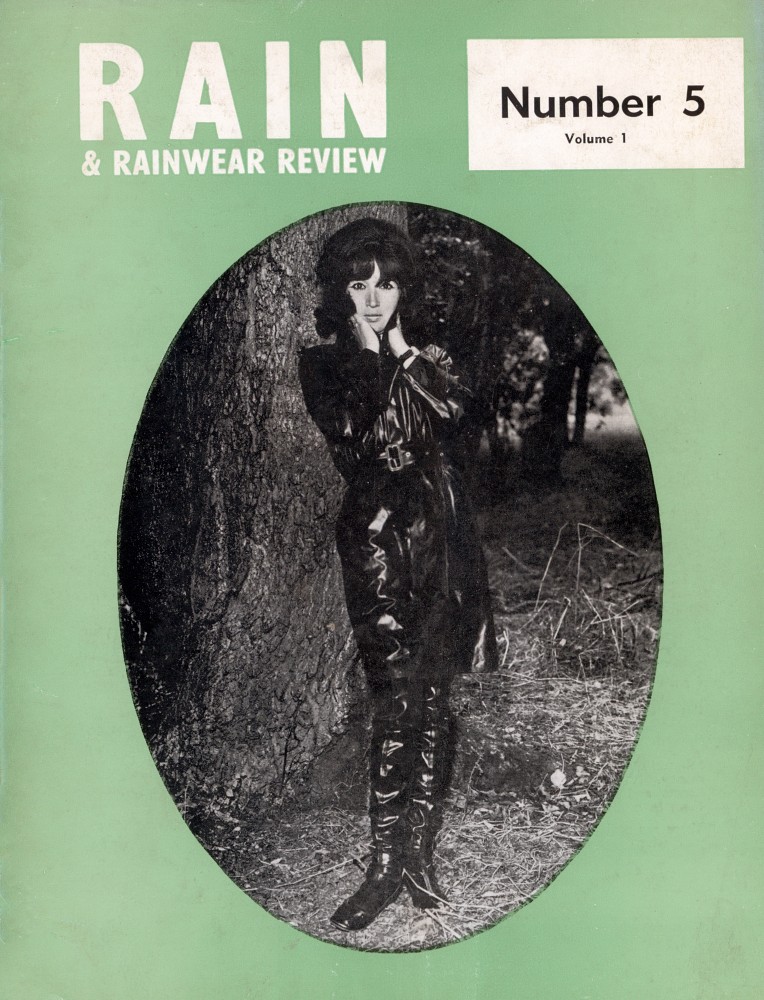
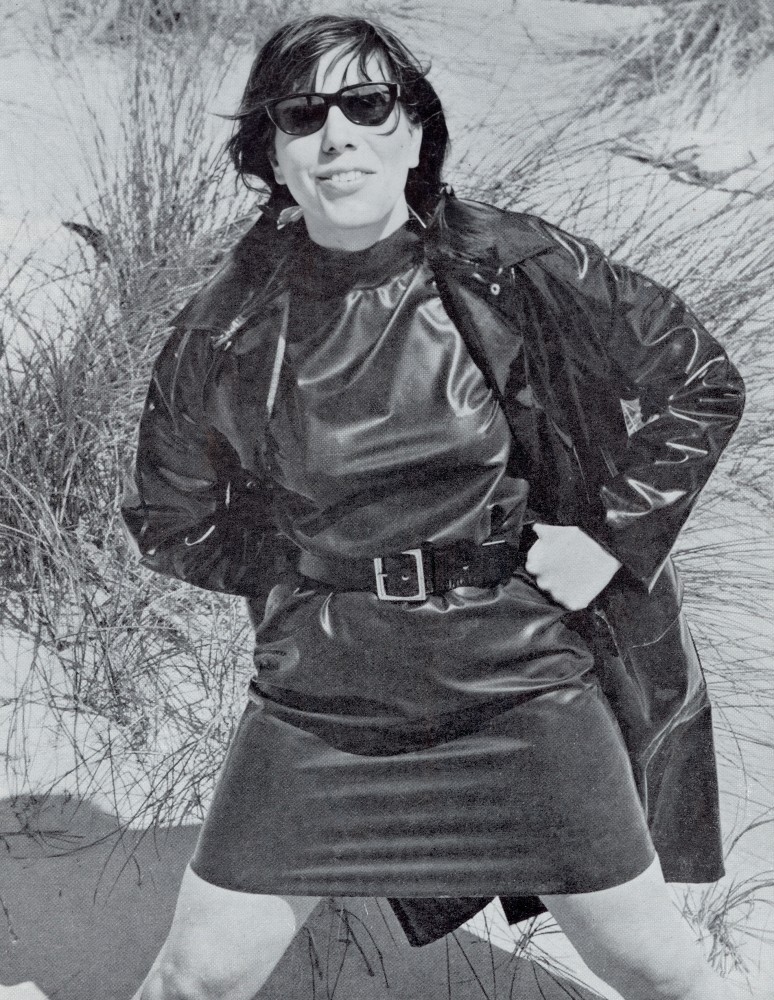
Rain was launched sometime towards the end of 1968 and was published by Ray and Veda Campbell. The Campbells were enthusiastic promoters of mackintosh fashion. Rather than concentrating on the practicalities of rainwear, they emphasised style, photography, and the social side of the fetish. Their aim was to present mackintoshes as fashionable, attractive, and fun to wear. They actively encouraged reader participation through articles and photographs submitted by readers. It also attempted to bring members together at social events, although how successful this was remains unclear.
The Vedamac Connection
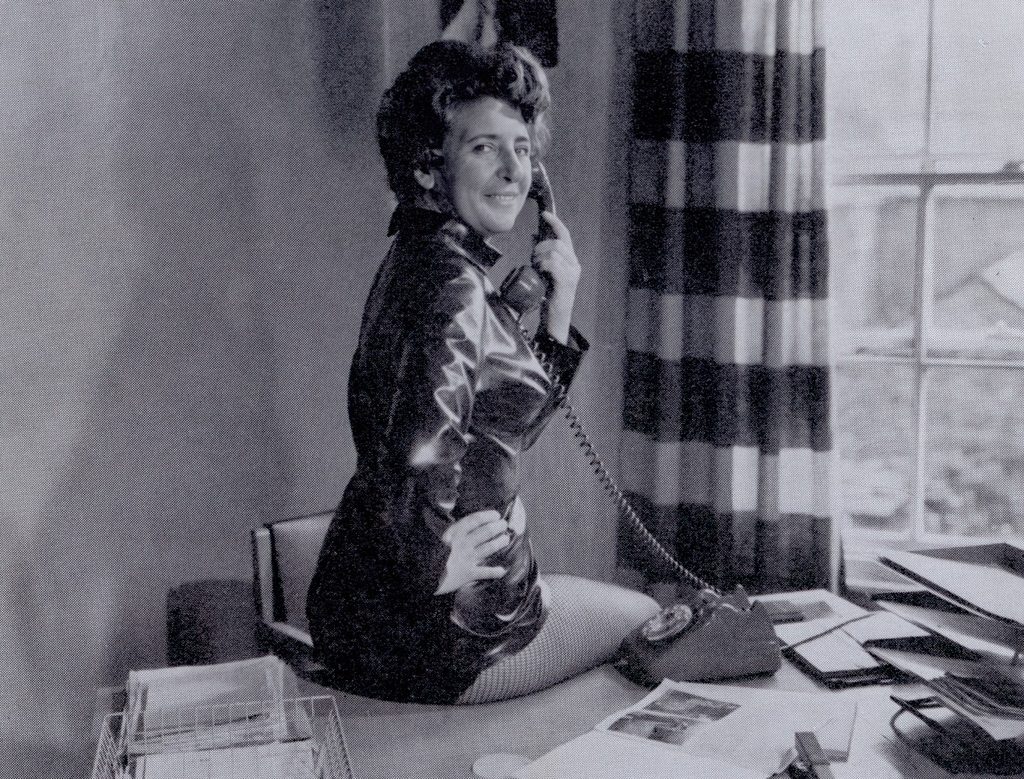
An interesting aspect of Rain is its association with Vedamac.
The magazine openly promoted a range of shiny mackintoshes marketed under the Vedamac label and gave a contact address at 5 Castilian Terrace, Northampton. The editorial states that the publishers were actively involved in the development and sale of these garments, suggesting a close relationship between the magazine and the fetish rainwear business itself.
It would not be too much of a leap to suppose that “Vedamac” was derived from “Veda” and “Mac”, reflecting Veda Campbell’s involvement.
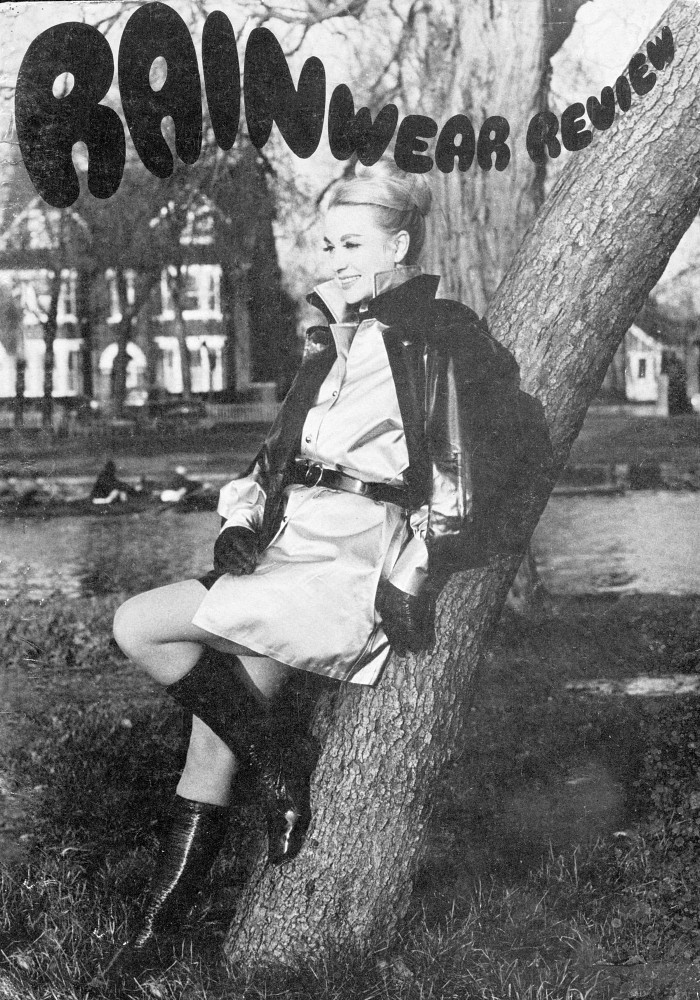
The Emergence of Rainwear Review
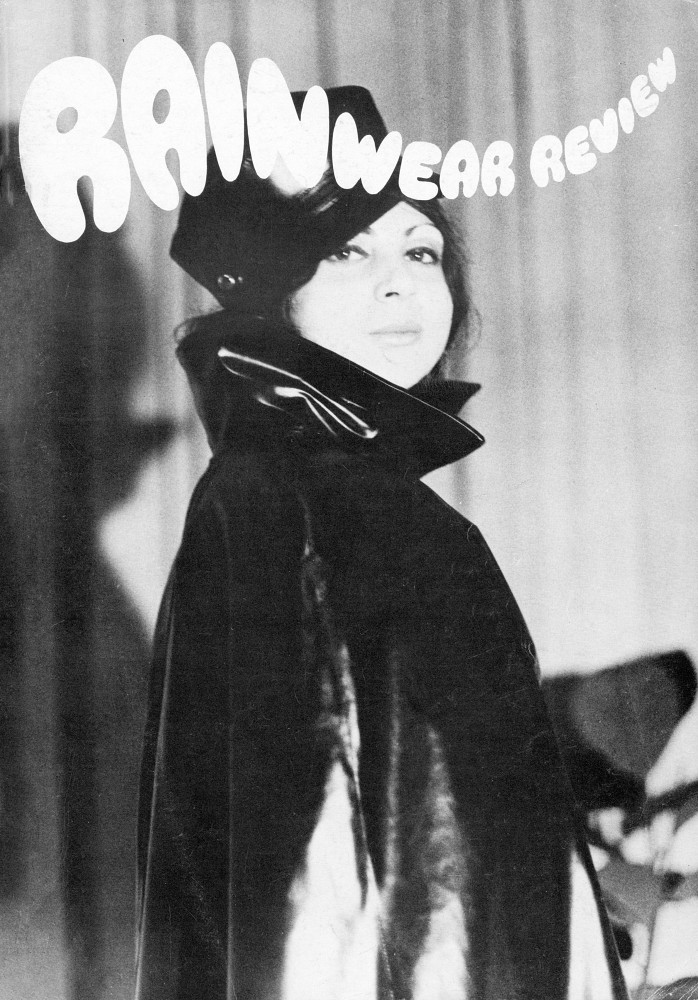
Rainwear Review appears to have been a rip-off of Rain that first appeared around 1970 and was also available only by subscription.
In Rain Vol. 1 No. 6, Veda Campbell alleged that another publisher had copied the concept of Rain and adopted a confusingly similar title. According to Campbell, the dispute became serious enough to involve legal advisers, with the rival publisher ultimately forming a limited company, Rainwear Review Ltd., in order to continue using the name Rainwear Review. Campbell was keen to stress that Rain had no connection whatsoever with the new publication.
The following issue reinforced this claim. Rain Vol. 1 No. 7 carried the slogan “The Magazine that Leads – the others follow”, which may be interpreted as a further reference to the rivalry between the two publications. The same issue continued to identify Ray and Veda Campbell as publishers and promoted Vedamac products from their Northampton address.
These editorials indicate that Rainwear Review was not originally a straightforward continuation of Rain. Instead, the evidence suggests that the two magazines were separate publications and, at least for a period, direct competitors.
The Final Chapter
Issue No. 11 of Rainwear Review, published in March 1972, was the last issue. In a moving editorial signed “J.G.W.W.”, he explains that he is writing from the Royal Marsden Hospital and has been told he has only a short time to live. He announces that the issue will be the magazine’s last.
Remarkably, the same editorial notes that demand for the publication had become so strong that the print run had been increased to 750 copies, a substantial number for such a specialised title. It also helps explain why these magazines are so difficult to find today. Seven hundred and fifty copies of each issue is not a large number to be distributed worldwide, and I would guess that the print runs of Rain were even smaller.
The editorial also mentions that while the magazine was closing, the related business Trudimac would continue trading, something I need to look into further, as we can again assume that the name was associated with Trudi Warne.
Why These Magazines Matter
Today, original copies of Rain and Rainwear Review are far more than simply old fetish magazines. They represent an important chapter in the history of British mackintosh culture and provide a unique record of a specialised enthusiast community that flourished during the late 1960s and early 1970s.
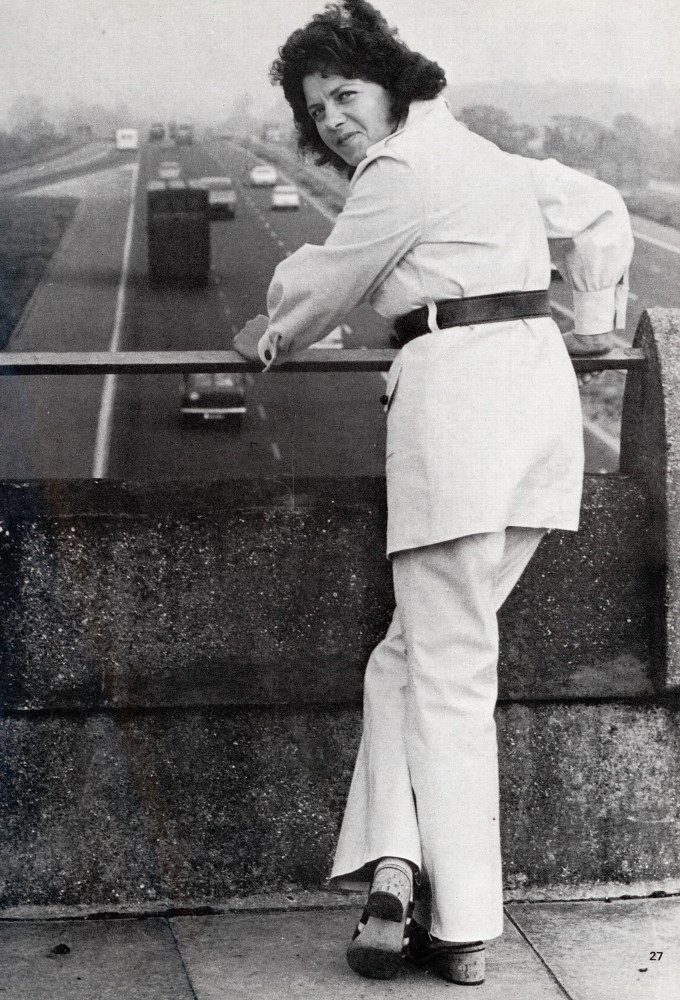
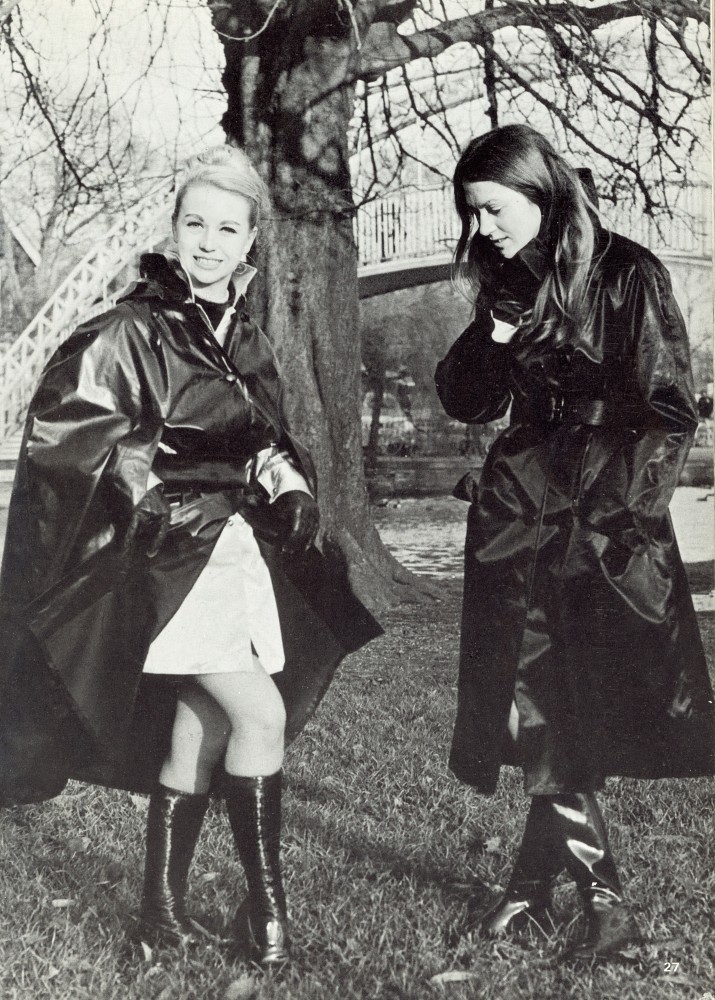
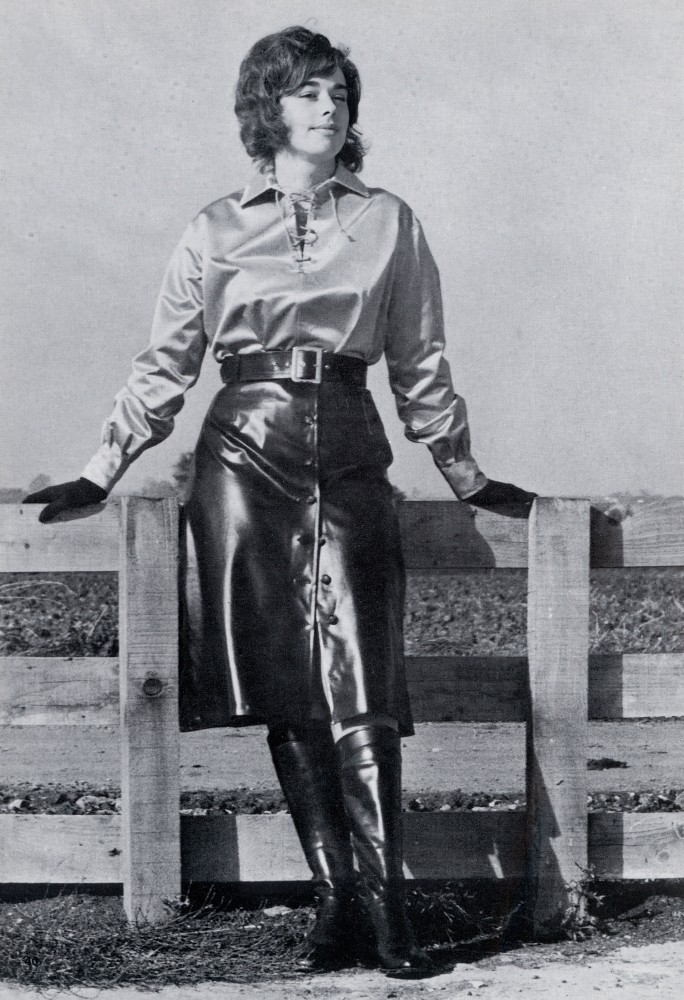
The magazines contain fashion photography, editorials, advertisements, society news, readers’ contributions, and material relating to companies such as Vedamac and Trudimac. Many issues were produced in modest quantities and were distributed primarily through subscriptions, making surviving examples increasingly difficult to locate.
For collectors, complete runs are exceptionally scarce, while even single issues provide valuable insights into rubber fetishism.
As surviving copies become harder to find, these magazines continue to grow in importance as historical documents and as highly desirable collectibles for anyone interested in fetish rainwear, specialist publishing, or the enduring appeal of the classic rubber mackintosh.
I have produced high-quality scans of the copies I own and made them available as downloadable files at a minimal cost. The original copies have also been listed for sale and can be found here.
If anyone has copies of either of these titles, then I would be interested in purchasing them or scanning them for others to enjoy. Please do contact me.