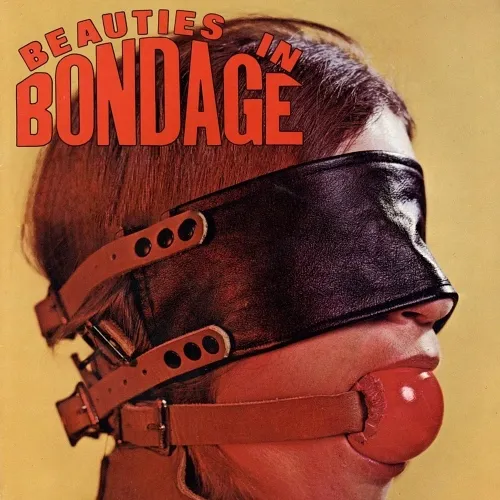
Tied to the Times: Inside the House of Milan

A look back at one of the 1970s’ most prolific bondage publishers

Long before the internet made niche interests easy to find, fans of rope, leather and restraint relied on the mail. Plain brown envelopes, small-print order forms, and a handful of publishers willing to serve an audience the mainstream newsstands ignored. One of the busiest of those was the House of Milan Corp.

A founder who saw the gap

The company’s story starts with Barbara Behr. When she turned 21, old enough to legally buy bondage material, she found there was very little out there to buy. So she started making it herself, launching her own company just as attitudes toward adult publishing were beginning to loosen. Her timing was far kinder than that of the legendary John Willie, whose work arrived a decade too early to enjoy the same open market.

At its height, House of Milan was a genuine one-stop shop for the devotee: two separate lines of B&D magazines, two correspondence clubs, a mail-order division, short films, paperbacks and its own range of leather restraints.
The flagship magazines

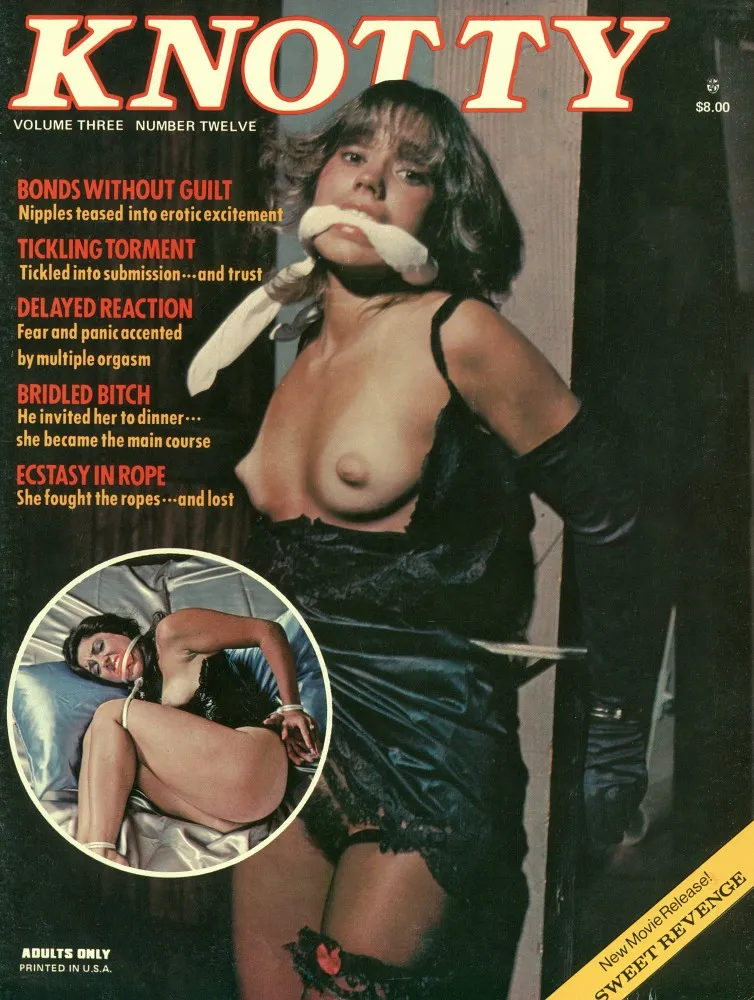
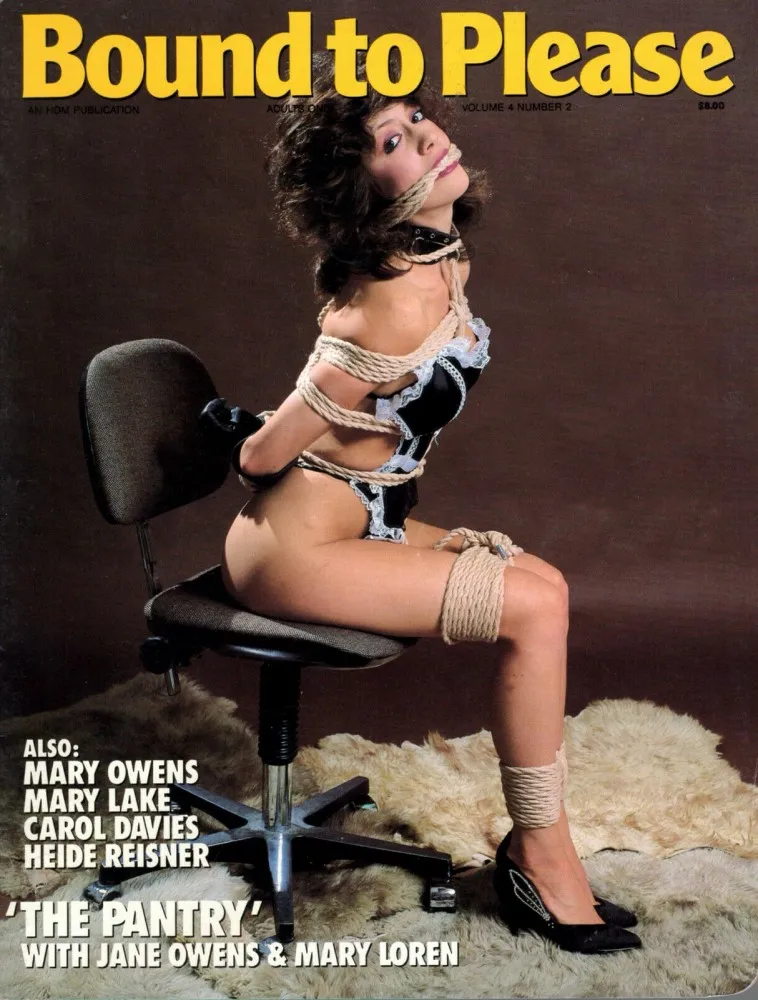
Behr’s first line, and her personal favourites, were HOGTIE, KNOTTY and BOUND TO PLEASE. They carried a consenting-adults ethos: alongside the photo sets came personal ads from readers, a lively letters page and regular artwork from the illustrator known as The Bishop. Custom leather garments, original restraint designs, nylons and heels all featured heavily.

A fourth title, NAKED BONDAGE, joined the line with a simpler pitch that did exactly what its name promised: solo and duo photo sets of gagged, roped and strapped models.
The Bishop and Fanni Hall

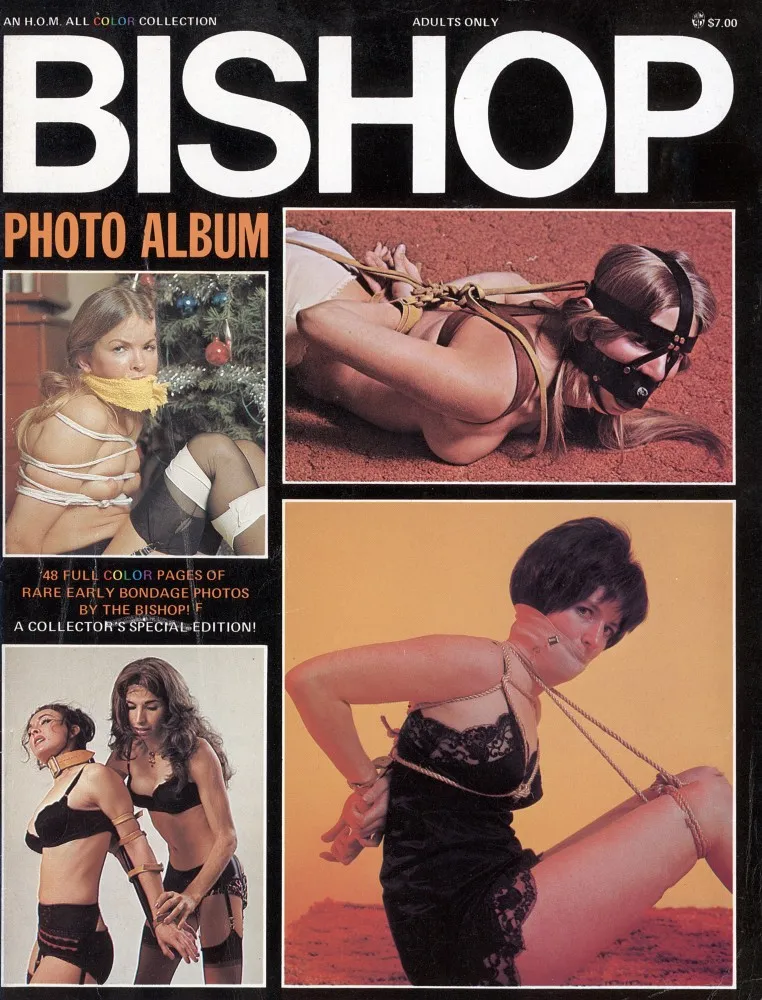
Illustrated fiction was central to the House of Milan identity, and The Bishop was its star. His comic heroine Fanni Hall first ran in KNOTTY before being spun out into her own releases:

  • BISHOP: The Complete Fanni Hall, collecting the KNOTTY strips.
  • BISHOP: Bunzie Gets a Surprise, a brand-new digest-sized story.
  • BISHOP: The Plot Thickens, a full magazine-sized continuation.
Paperbacks: F.E. Campbell and the Butler Fellowes

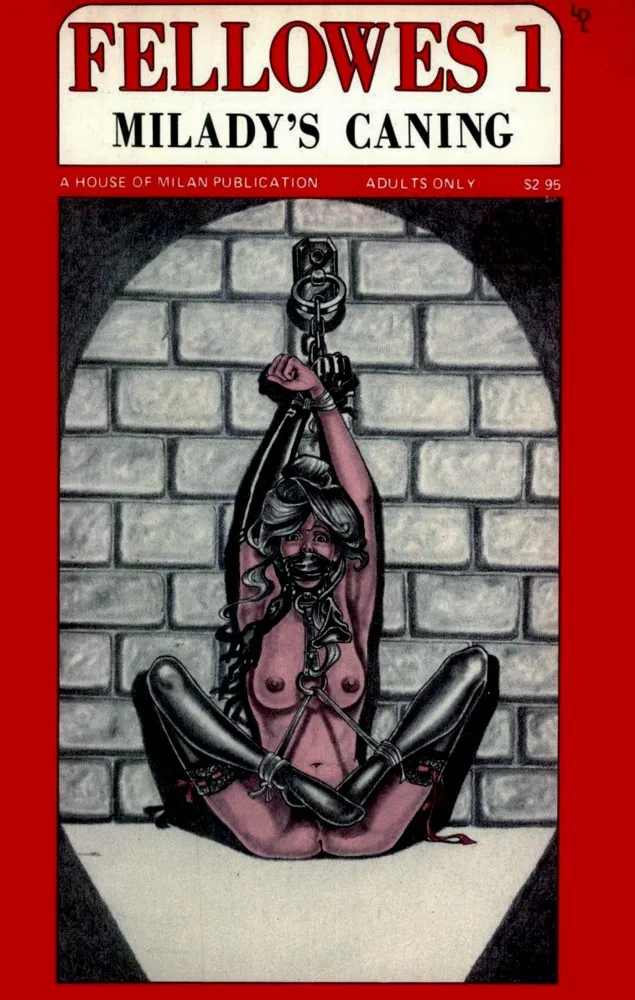
On the prose side, the company’s headline author was F.E. Campbell, with sixteen paperbacks in print and another sixteen in the pipeline. His novels explored captivity, cruelty and devotion to a dominant mistress. Perhaps the most charming format of all was the Butler Fellowes series: mini-paperbacks illustrated by newcomer Ashley, starring a butler who administers discipline with impeccable manners. Four were released early on, with eight more planned.
A rougher second line

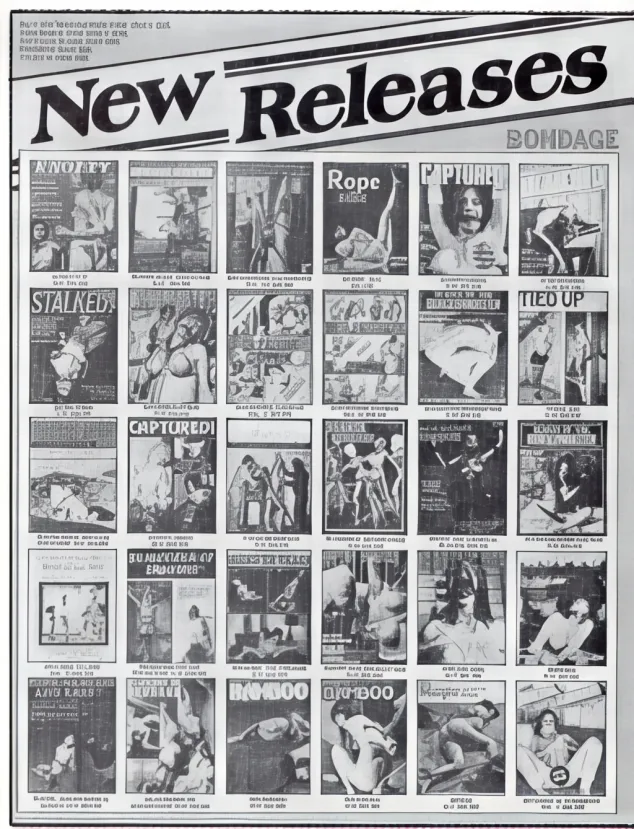
In 1975 the company launched a second magazine line for readers who wanted something more intense: KIDNAPED!, BONDAGE CLASSICS, CAPTURED and WHIPMASTER. These moved away from the playful tone of the flagship titles toward staged “impromptu” scenarios, more strenuous positions, tighter rope work and suspension. Short films such as Attacked (No. 110) and Interrogation (No. 112) followed the same approach.

Clubs, leather and mail order

House of Milan also ran two correspondence clubs: Aggressive Women, featuring only dominant ladies, and Latent Image, which catered more to submissives. Both worked as ad-driven contact magazines at a time when that was one of the few ways like-minded people could find each other.

The leather line came about almost by accident. Behr couldn’t find restraints good enough for her own shoots, so she had her own made. The result was a range of heavy-duty gear with quality hardware and a real emphasis on safe design. Its best seller, nicknamed the “Play and Breathe Too”, was a shoulder harness with cuffs at the back that held the arms behind the wearer without anything running up to the collar, a smart fix for a common and risky setup.

Rounding everything out was a mail-order division stocking B&D titles from major US and European publishers at discount prices. Customers simply wrote in for the free brochures and, naturally, stated their age.
Why it matters

House of Milan is a perfect example of how the 1970s fetish press really worked: small, founder-driven, and built as much on community (letters, contact ads, clubs) as on content. Behr’s operation spanned photography, comics, pulp fiction, film and gear, and the fact that she started it because she couldn’t find what she wanted says a great deal about the scene at the time.
Bondage – BDSM

2

Bizarre Capers, Vol. 1 No. 1: Leather, Latex and a Missing Microfilm

Bizarre Capers 1960s Fetish

A debut issue from 1960s Britain that’s part spy thriller, part catfight and part rubber-and-leather fashion shoot. All of it is played completely straight, which is exactly why it’s so much fun.

The publisher

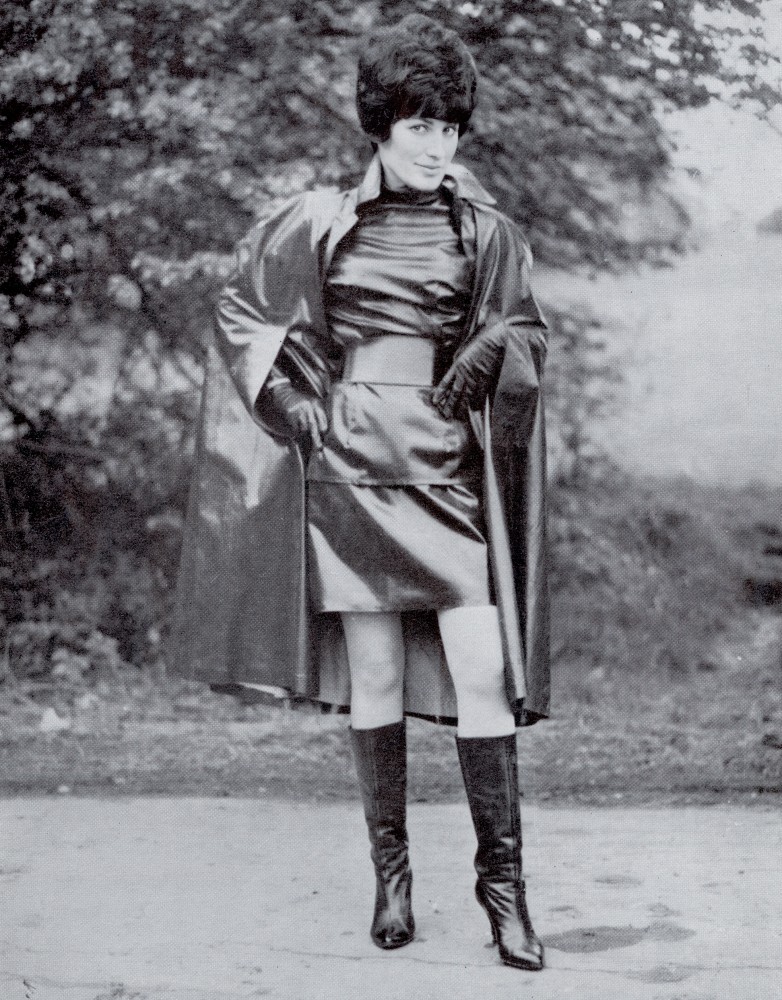
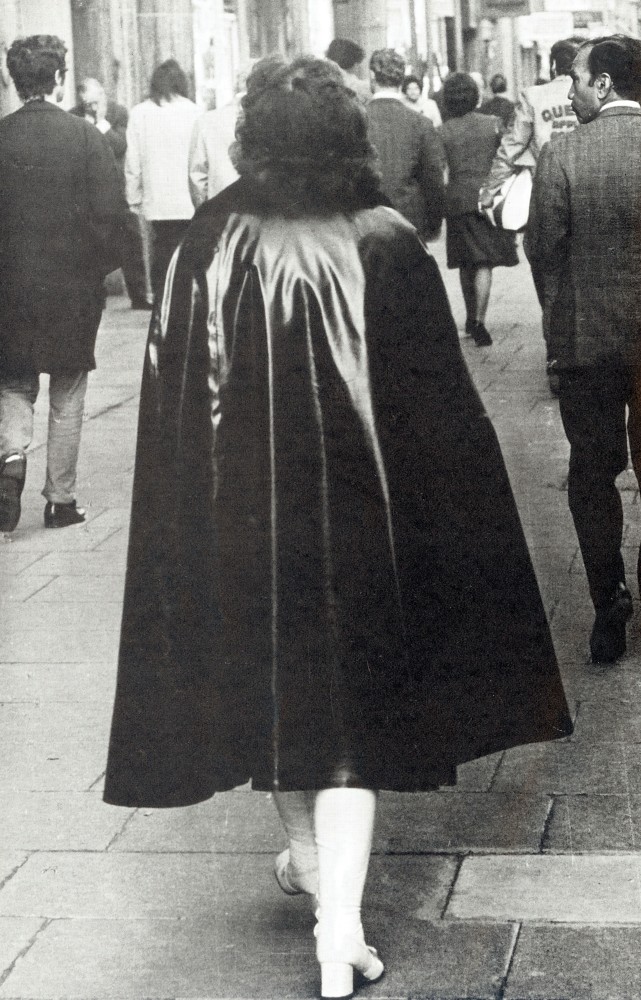
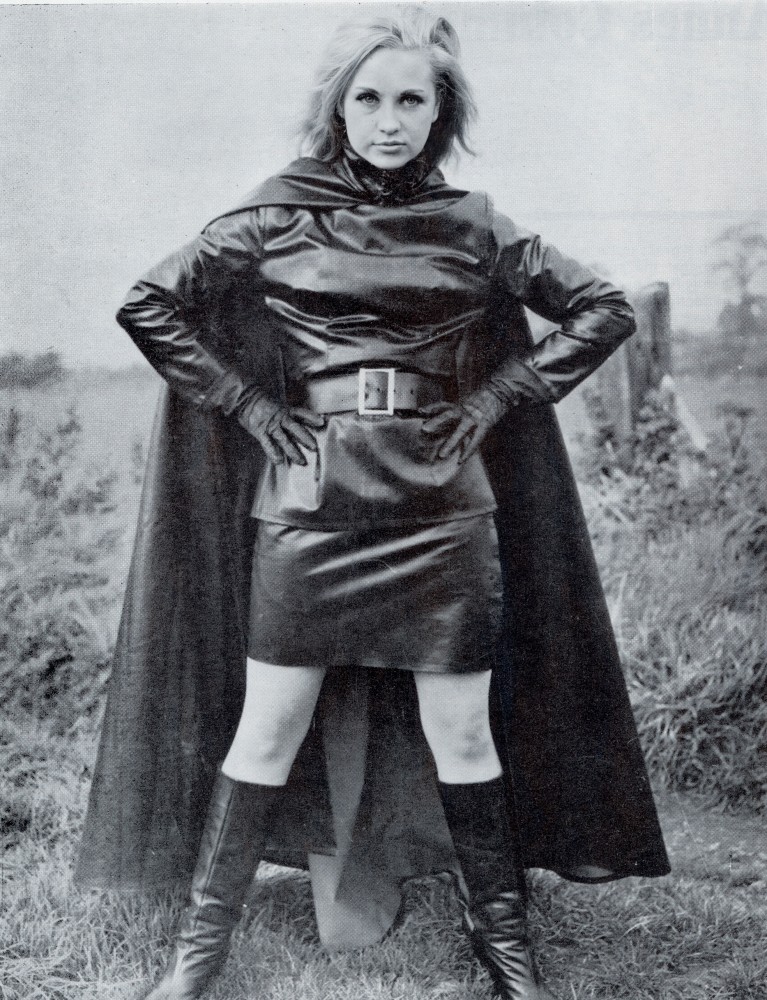
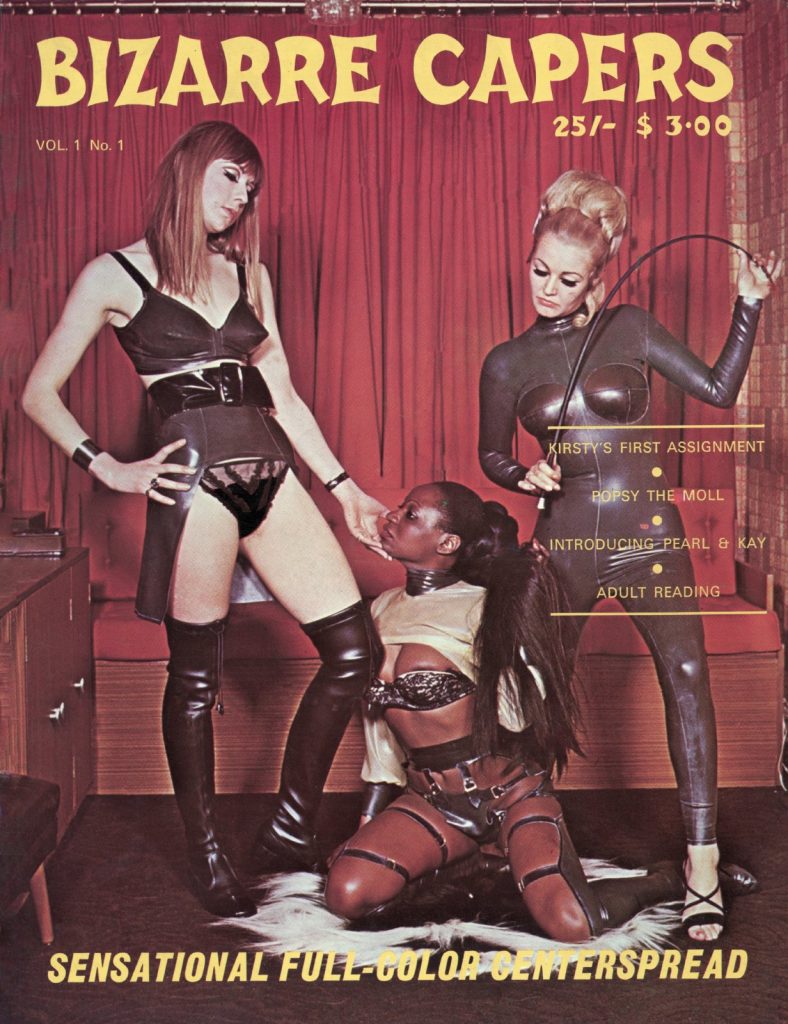
Bizarre Capers was published by Pictorial Productions Haverhill, Suffolk, and distributed by Ben’s Books Ltd., which traded from the Covered Market at 24b Crown Street in Acton, London W3. The masthead credits Bridget du Barry as editor, Basil Ryness as photographer and Ken Smith as art editor. The cover price of 25/- (with $3.00 for the American market). The beehives, PVC macs and wallpaper put it firmly in the late 1960s.
Ben’s Books seems to have been the commercial engine behind the title. The magazine includes a full-page list of “unusual books” available by post from the Acton address, with titles such as The Cult of Pain, Sexual Fetishism, Spanking and Chastisement, all priced in shillings and pence. There is also a subscription form offering six bi-monthly issues for £9-0-0.

The story: “The Madam ‘X’ Caper”

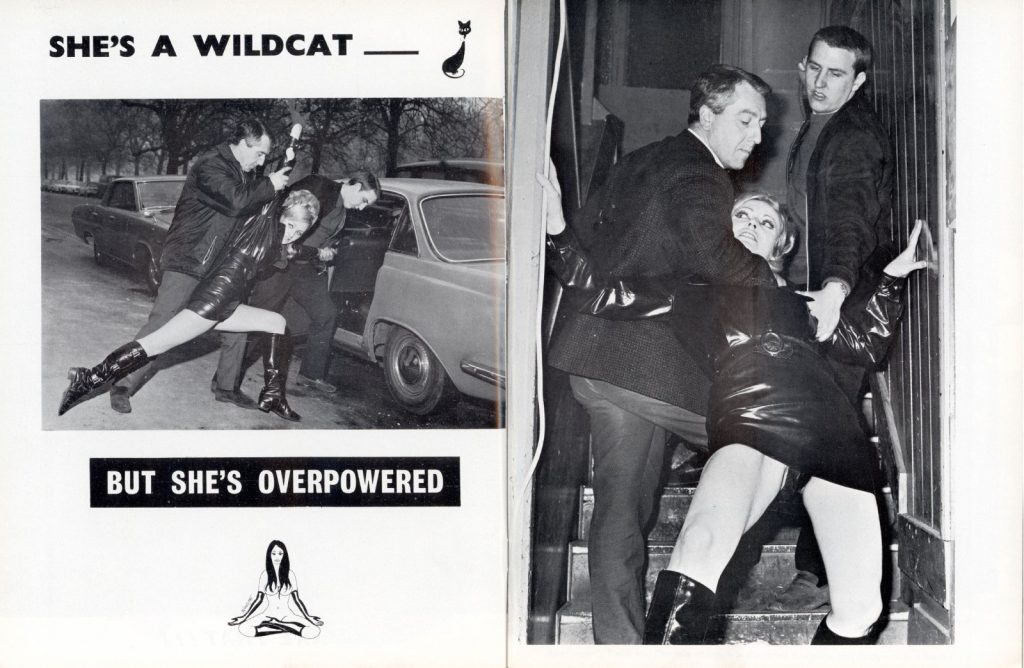
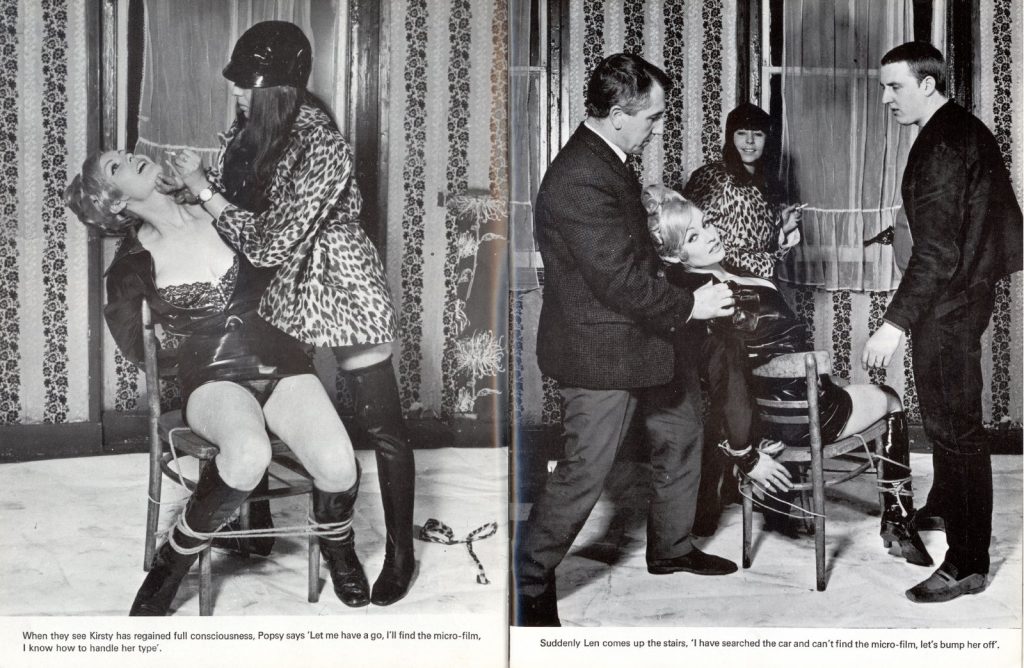
The issue is a single photo-story told across 30-odd pages with short captions and pulp-comic speech bubbles (“OOPS!”, “TAKE THAT!!!”, “This doll is a real wild one!!!”). The plot is pure Swinging-London B-movie. Professor Lindell has invented “a revolutionary new sex drug” and hides the formula on microfilm. He hands it to Kirsty, the International Courier Service’s “most experienced courier” and a “typical Swedish beauty”, who is helpfully introduced with her vital statistics. The notorious Madam ‘X’ wants the film, and she sends two heavies, Len and Charlie, to get it.

Kirsty kicks, judo-throws and flips her way through the opening pages (“Kirsty didn’t take judo and karate lessons for fun”). She is eventually dragged to a first-floor hideout, tied to a chair and interrogated by Popsy, the gang’s moll, who wears a leopard-print coat and a motorcycle helmet. The search for the microfilm is a pretext for undressing her one layer at a time, and the bondage and domination angle comes through clearly in these pages.

Pearl & Kay, and the rubber

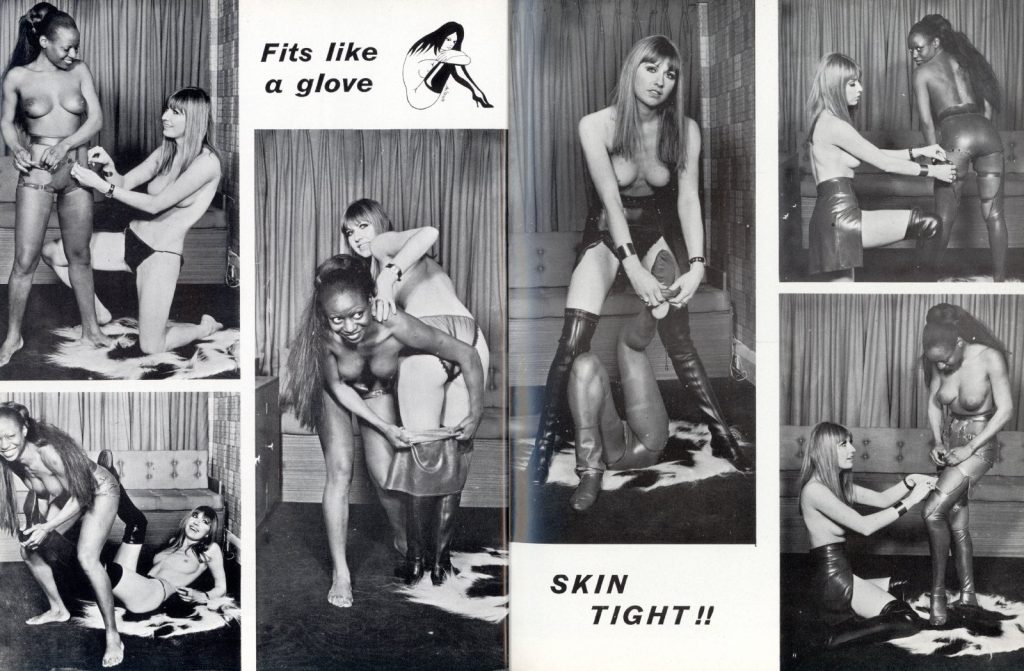
The second half is where the fashion fetishism takes over. Pearl and Kay are left to guard the microfilm, and they spend a long and lovingly photographed sequence helping each other into Madam ‘X’s wardrobe. It includes thigh-high boots, strapped leather leggings, corsetry and a rubber bodice. The captions are as subtle as you’d expect: “Fits like a glove”, “SKIN TIGHT!!”, “…try my gear for size”. Fans of 1960s rubberwear and strap-and-buckle leather will find a lot to enjoy here, because the outfits are shot full-length and often in detail.

Kirsty then makes her entrance in a borrowed leopard-skin coat, and a three-way brawl spills across the sofa and sheepskin rug. Riding crops come out, and in the end everybody but our heroine is laid out on the carpet. “Ah! The microfilm is safe.” A full-page teaser promises “Kirsty’s exploits next month … even more breathtaking.”

The colour centrespread

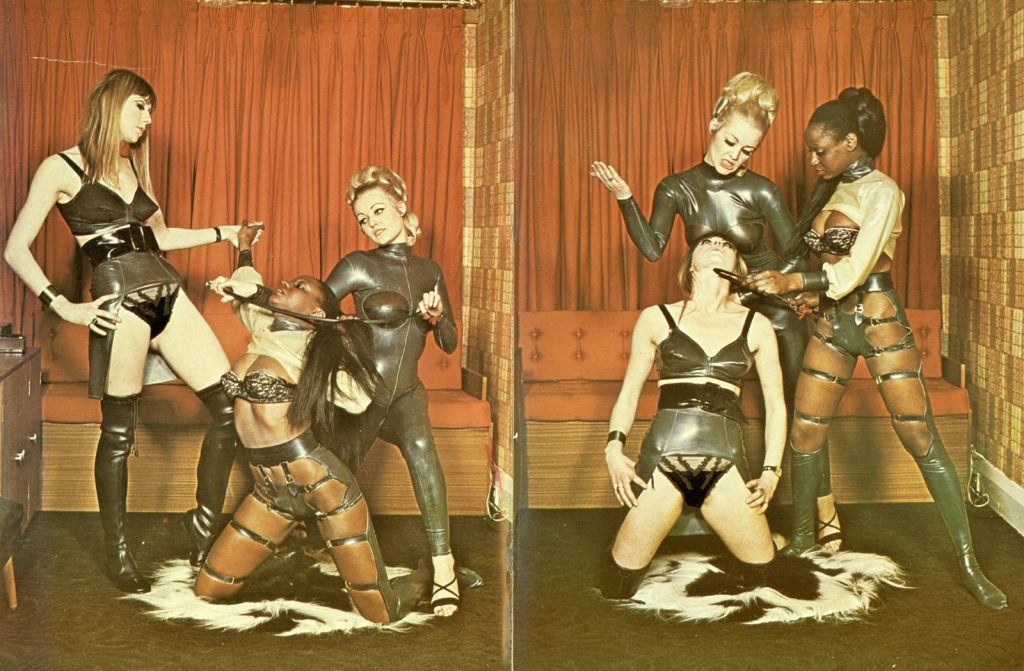
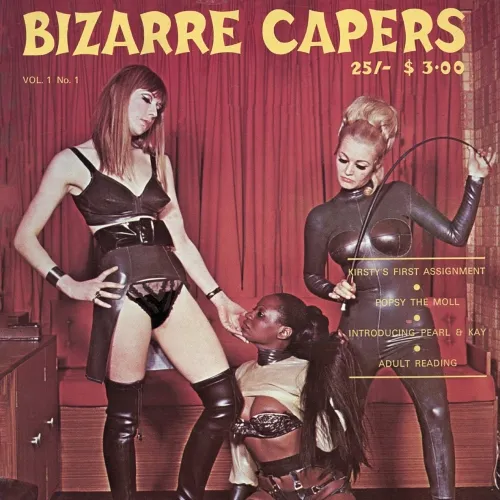
The centrespread is the only colour inside the magazine, and it reprises the cover set-up in rich saturated tones. Madam ‘X’ appears in a sheer rubber catsuit, Kay in a leather corselette and thigh boots, and Pearl in a full strap harness, all posed on a white sheepskin against a red curtain. It’s dominance theatre staged with complete sincerity.

As a period piece, Bizarre Capers No. 1 shows the British fetish under-the-counter trade before it became self-aware. The production values are surprisingly good, and the outdoor action photography is genuinely dynamic. The whole thing is held together by a plot that wouldn’t have been out of place in an episode of The Avengers if Emma Peel had a less forgiving wardrobe department. It’s essential for collectors of British bizarre magazines and an easy recommendation for anyone who loves vintage leather, rubber and a good old-fashioned catfight.

Bizarre Capers – For Sale

1

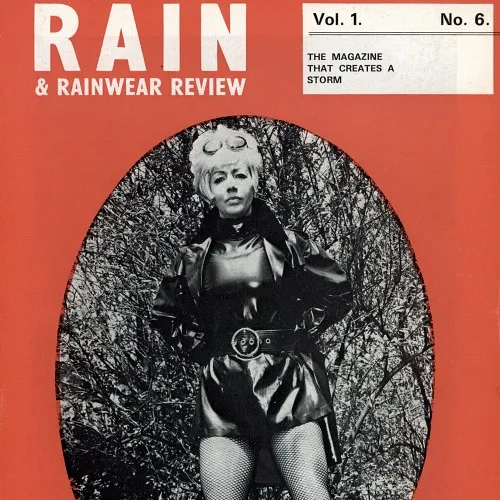
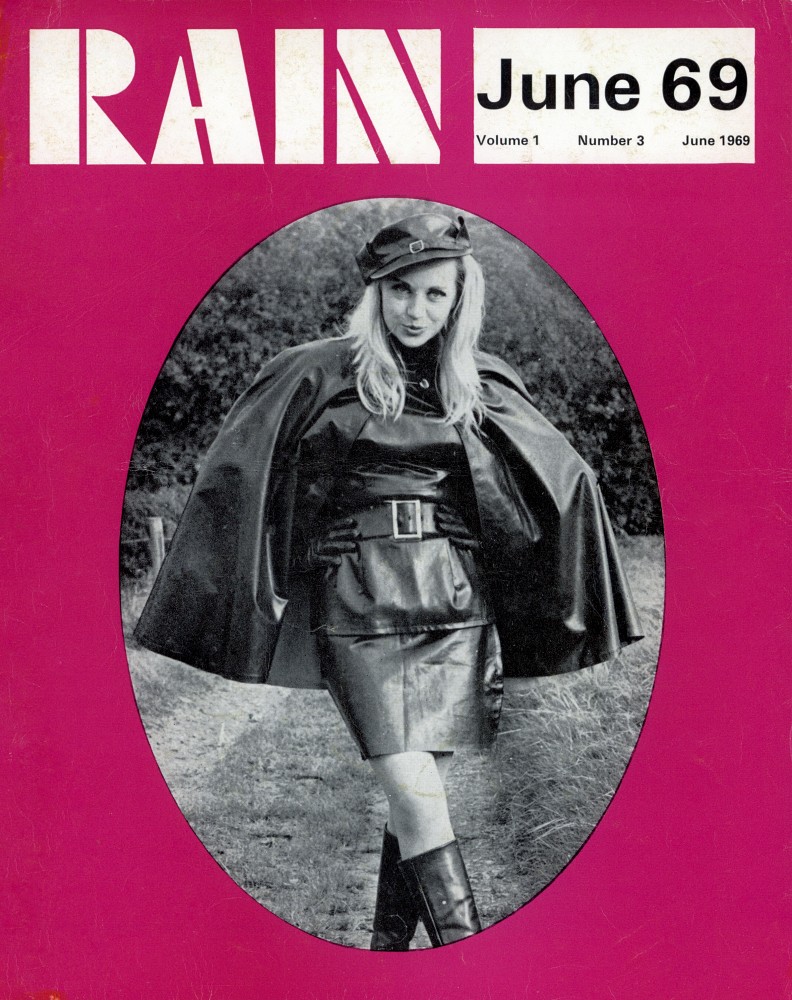
Rain and Rainwear Review

Rain and Rainwear Review Mackintosh Magazine 1960s

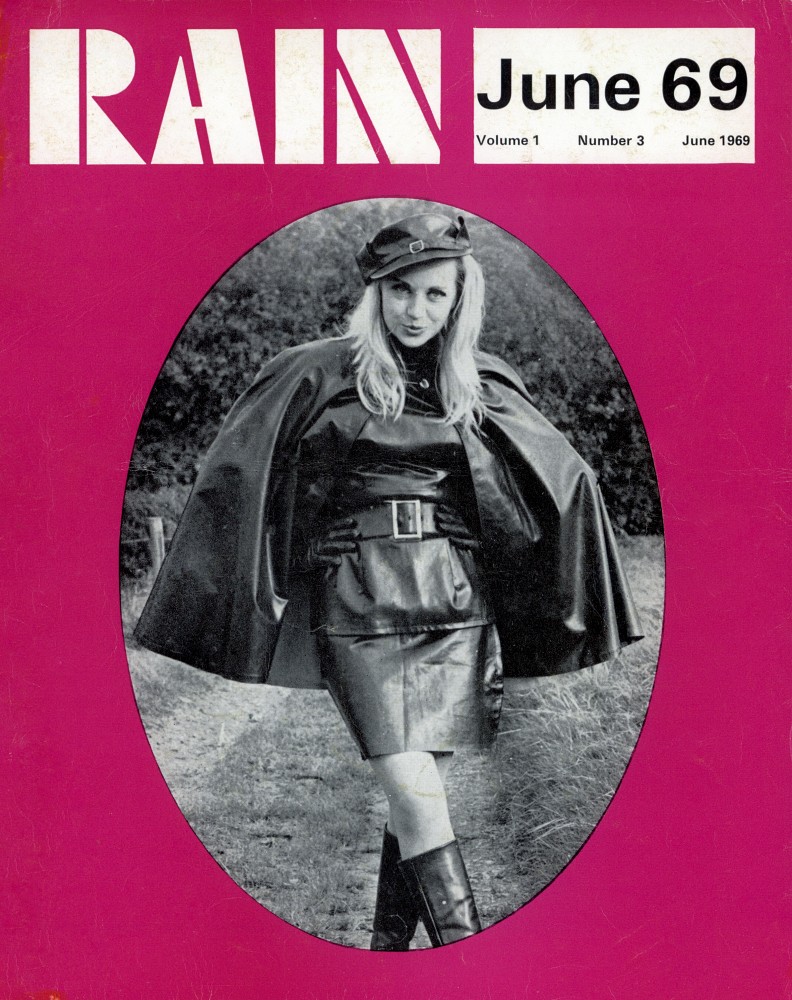
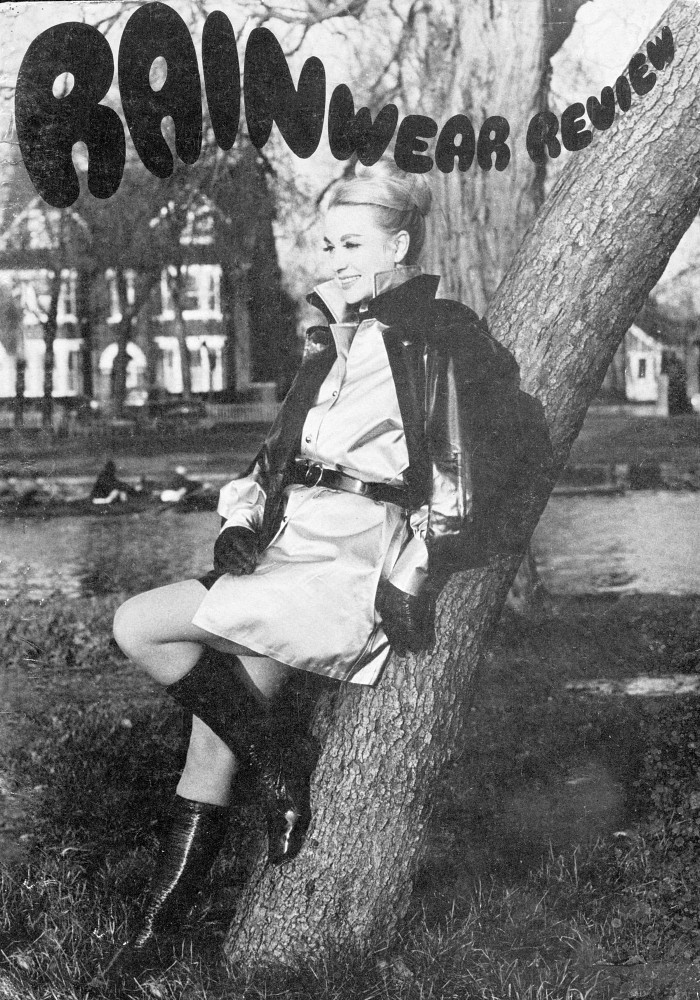
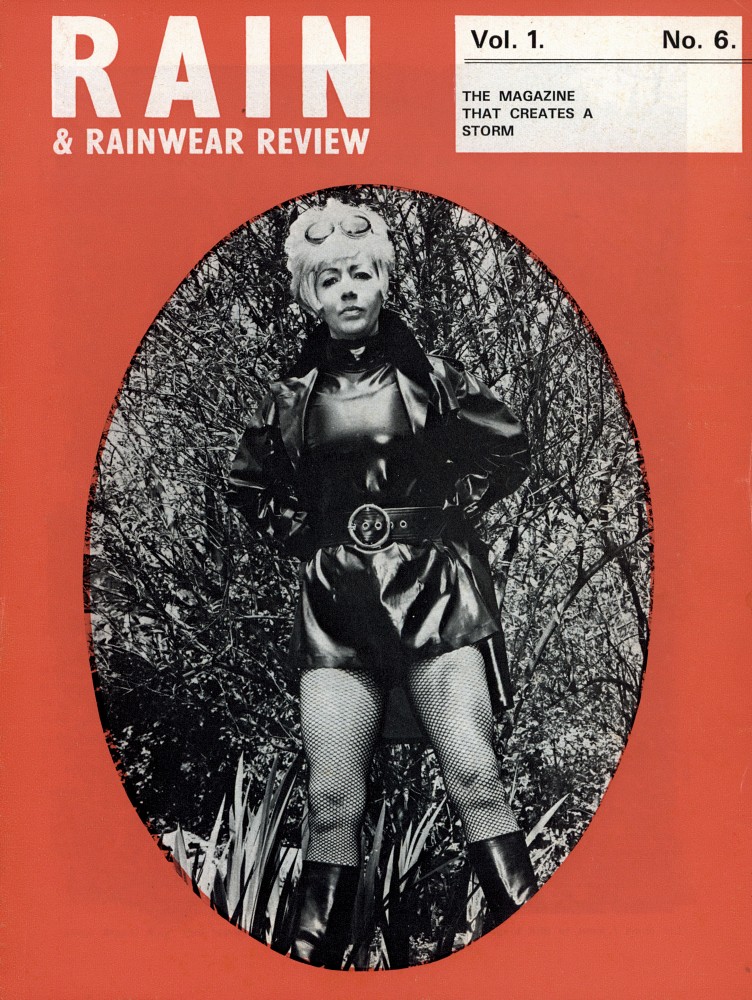
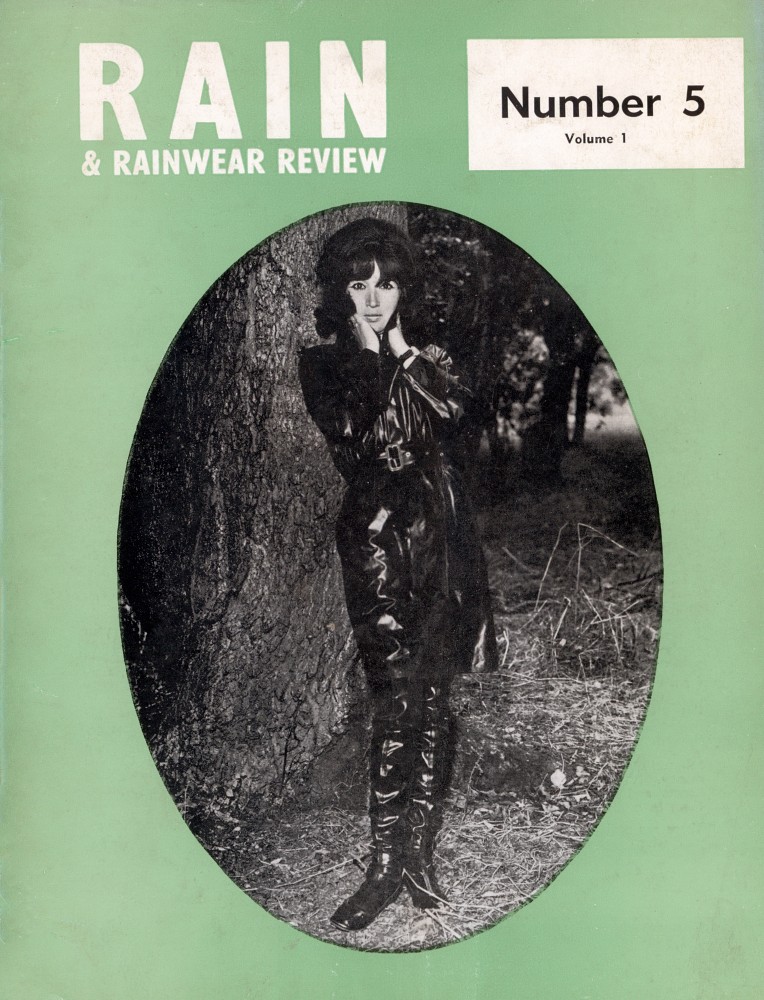
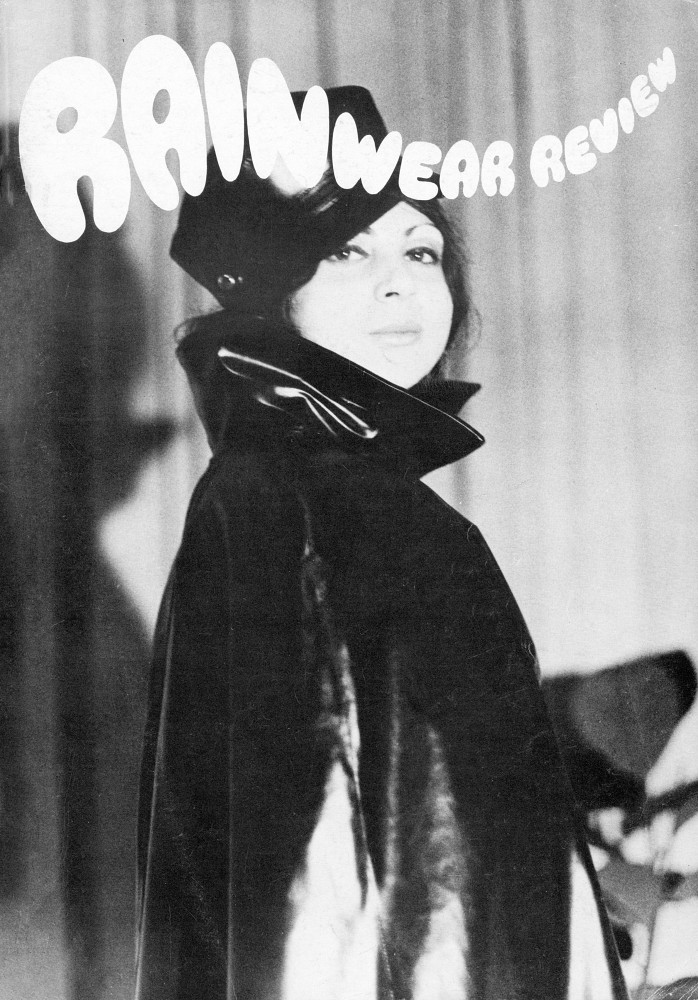
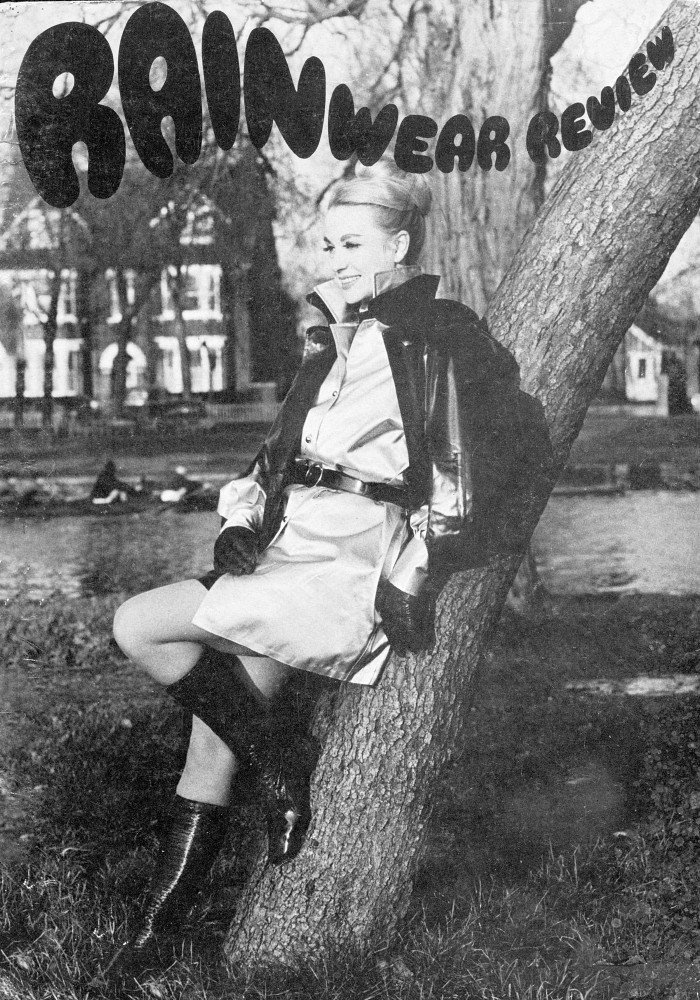
Rain and Rainwear Review: Mackintosh Fetish Magazines from the 1960s and 1970s

Having only a few copies of each title, I became curious about their origins and decided to research them further. Sadly, very little documented information appears to survive. The information below has therefore been compiled largely from evidence contained within the magazines themselves, helped along by AI in connecting the dots, but ultimately presented here in my own words.

Rain: 1968 to 1970
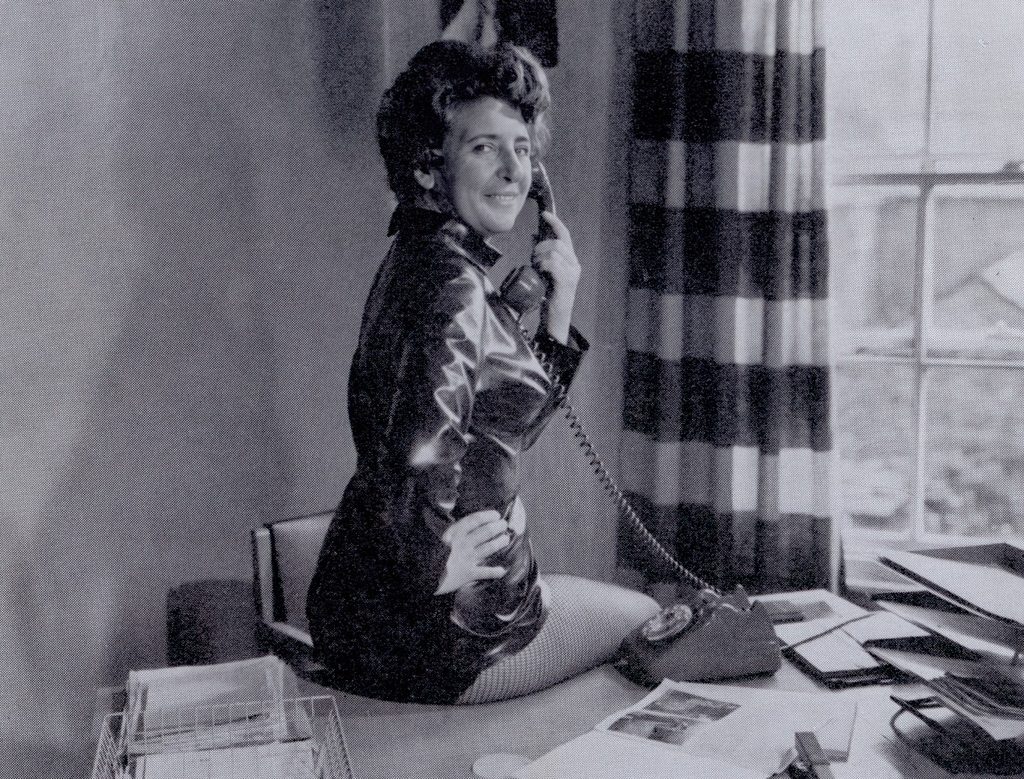
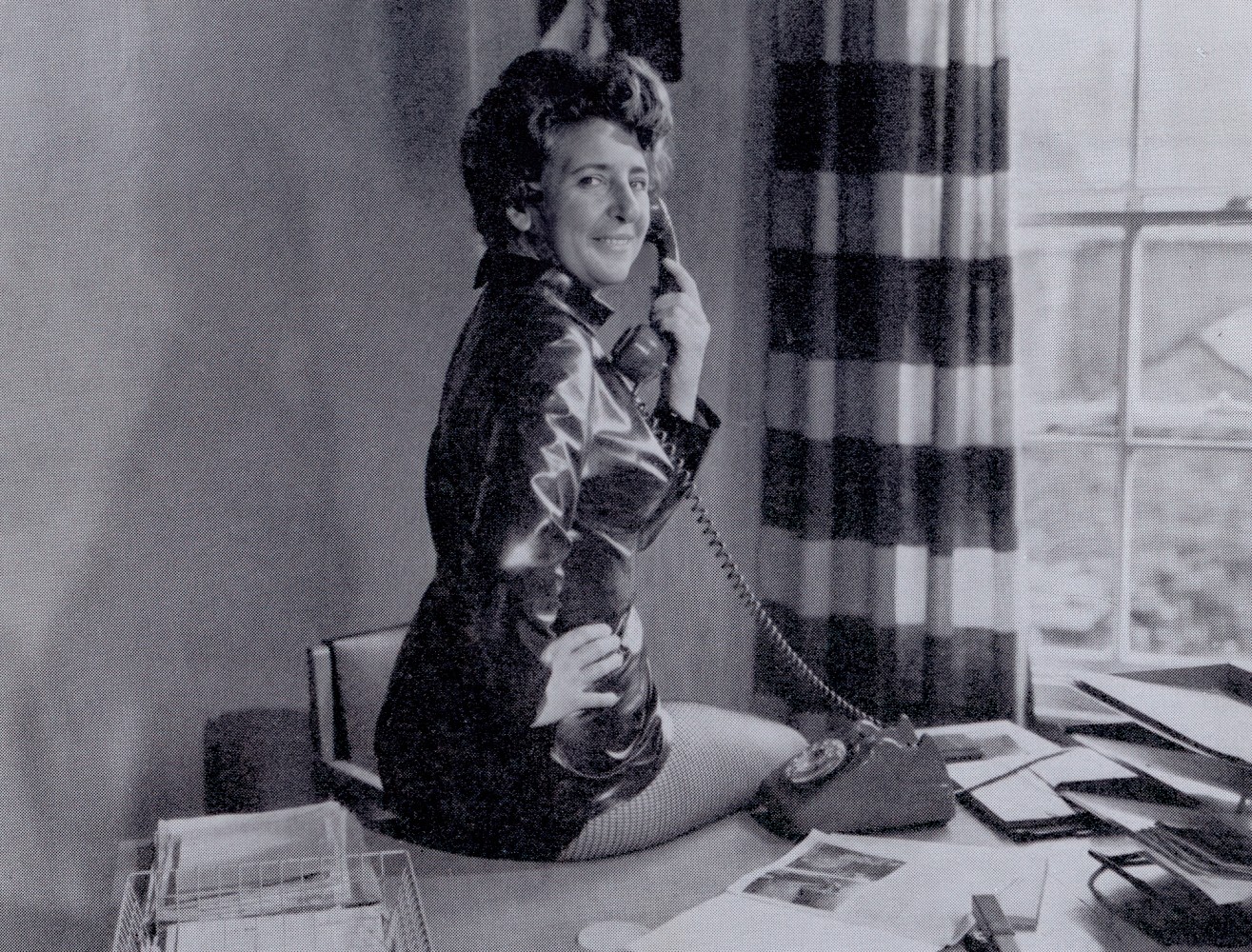
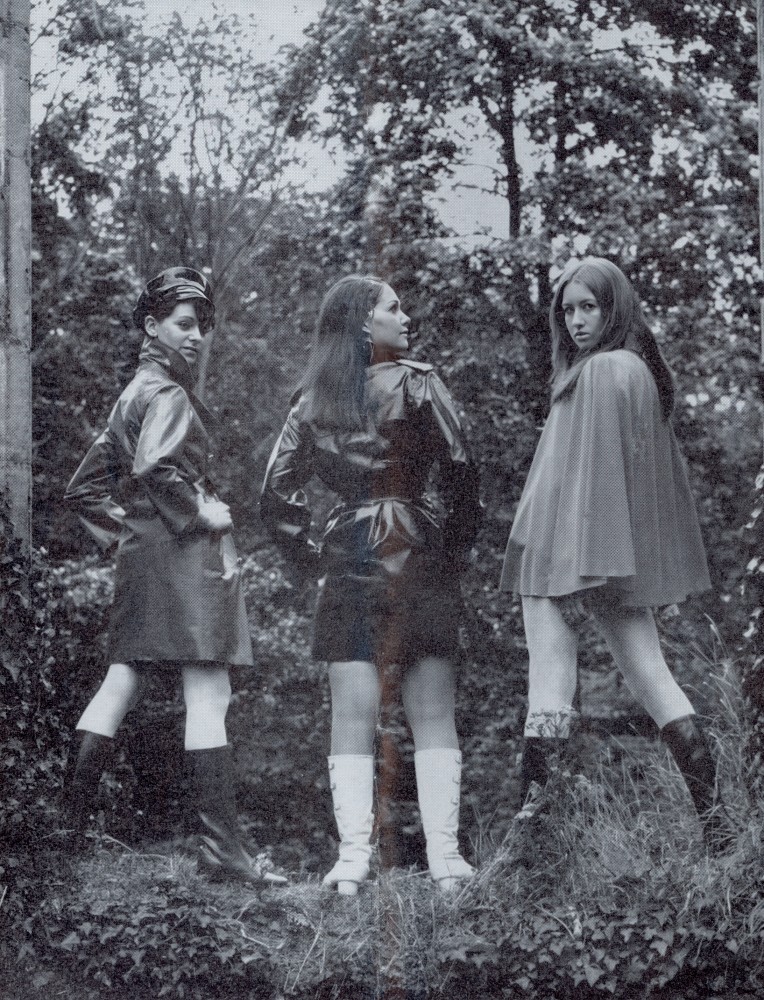
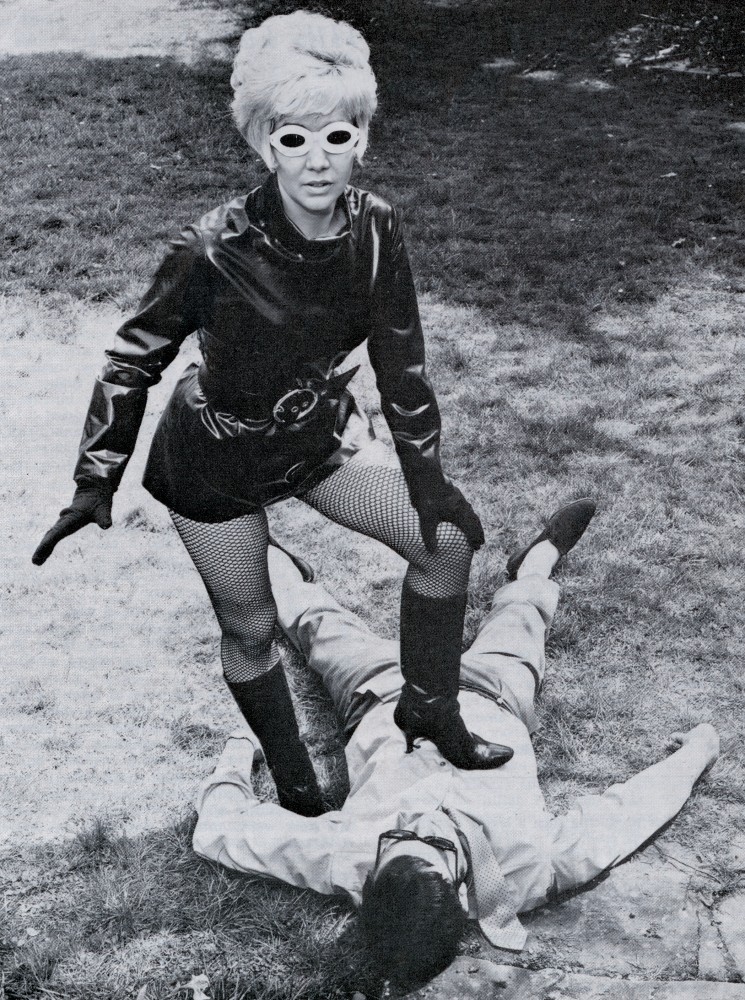
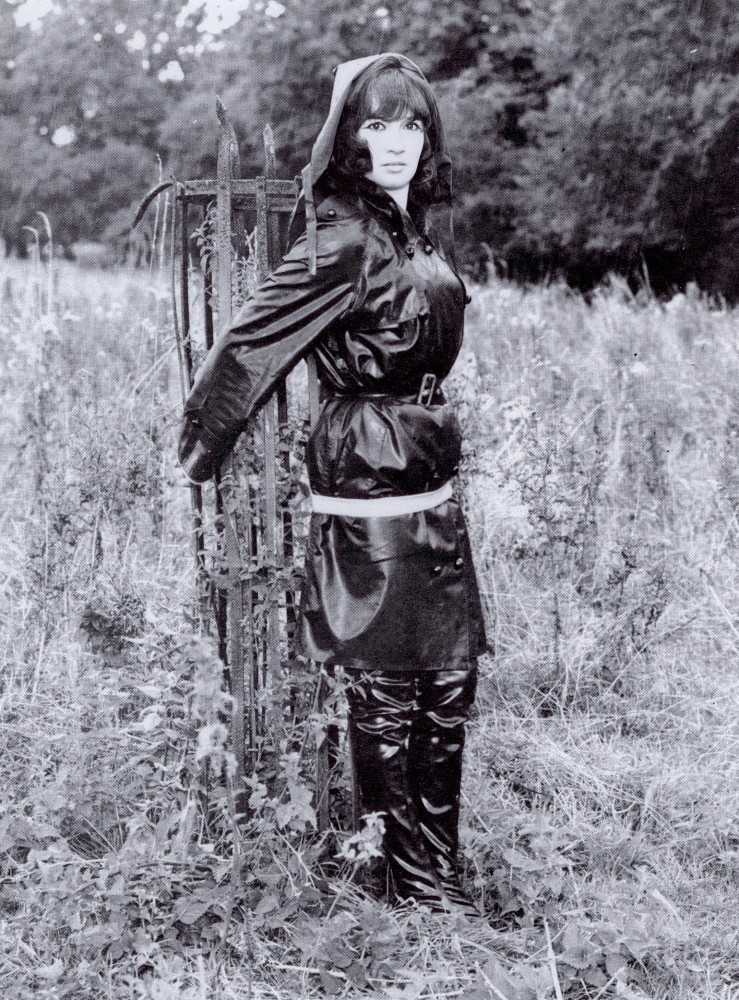
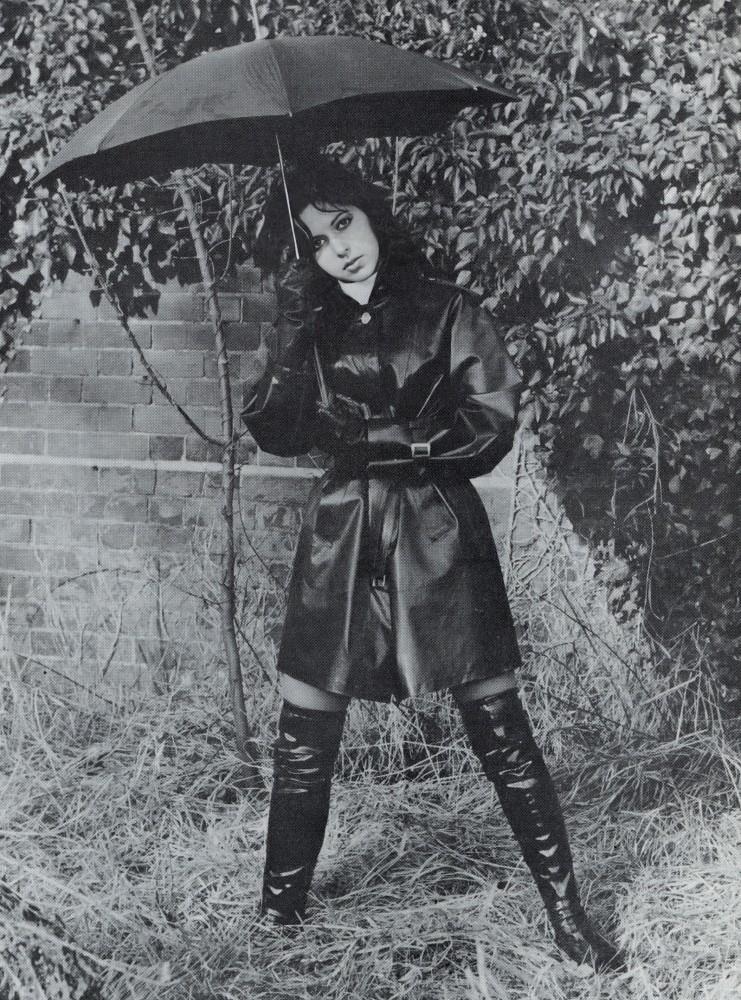
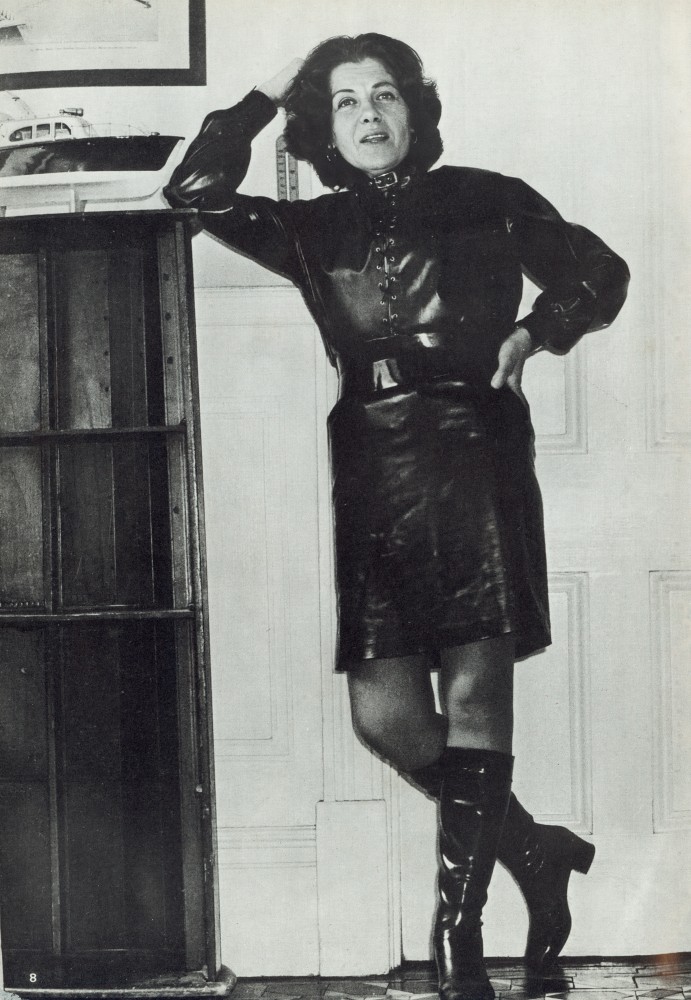
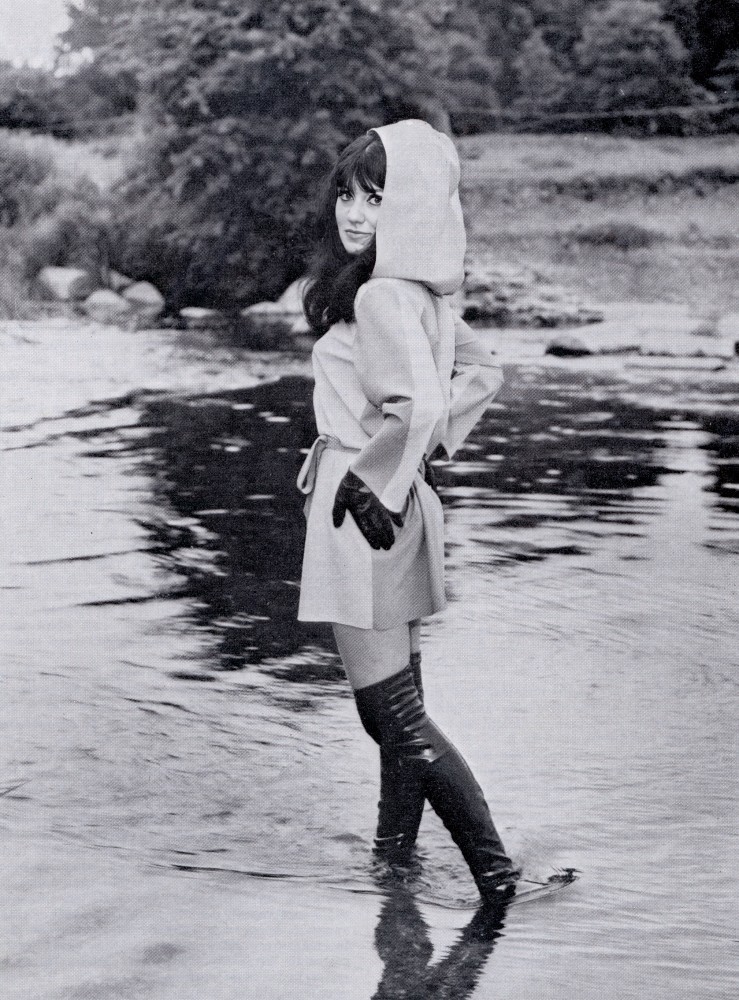
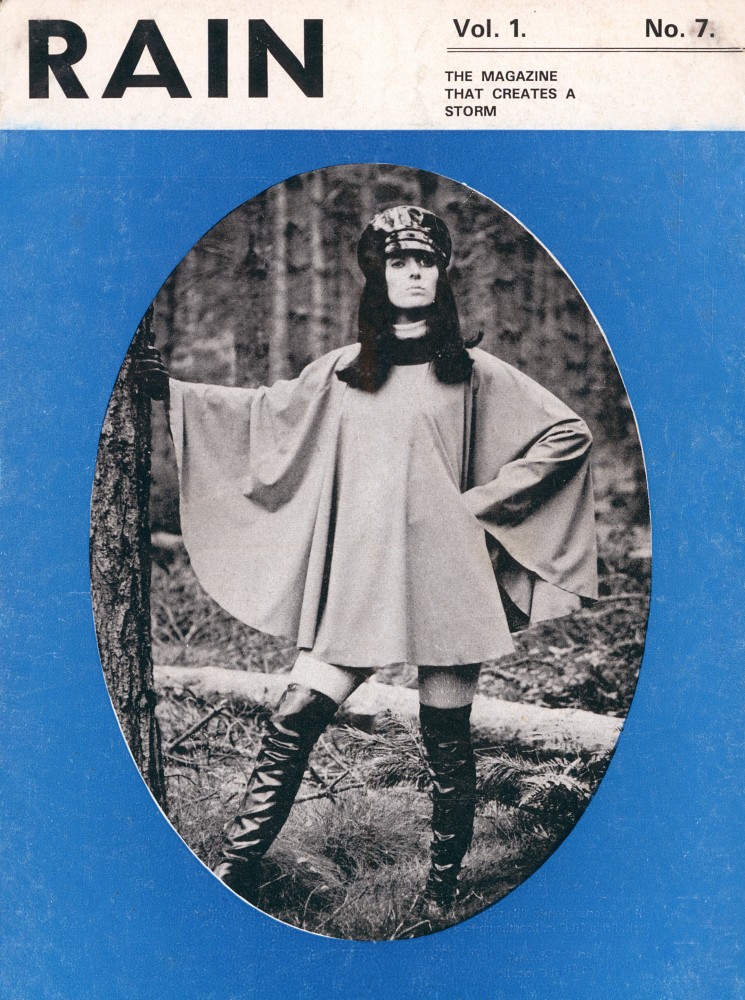
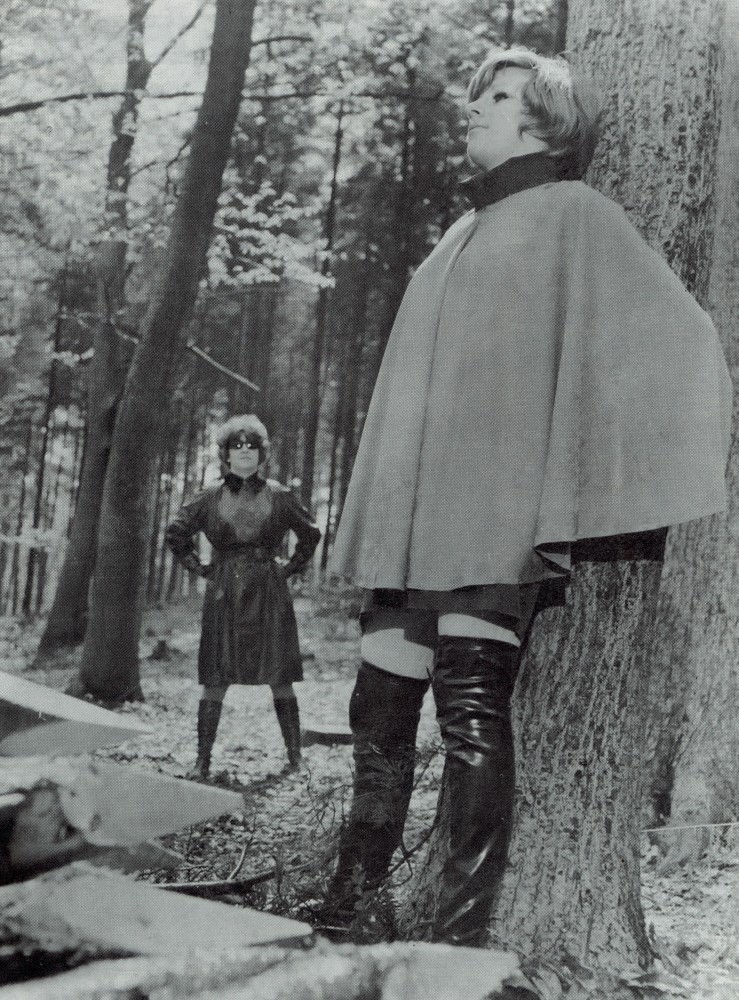
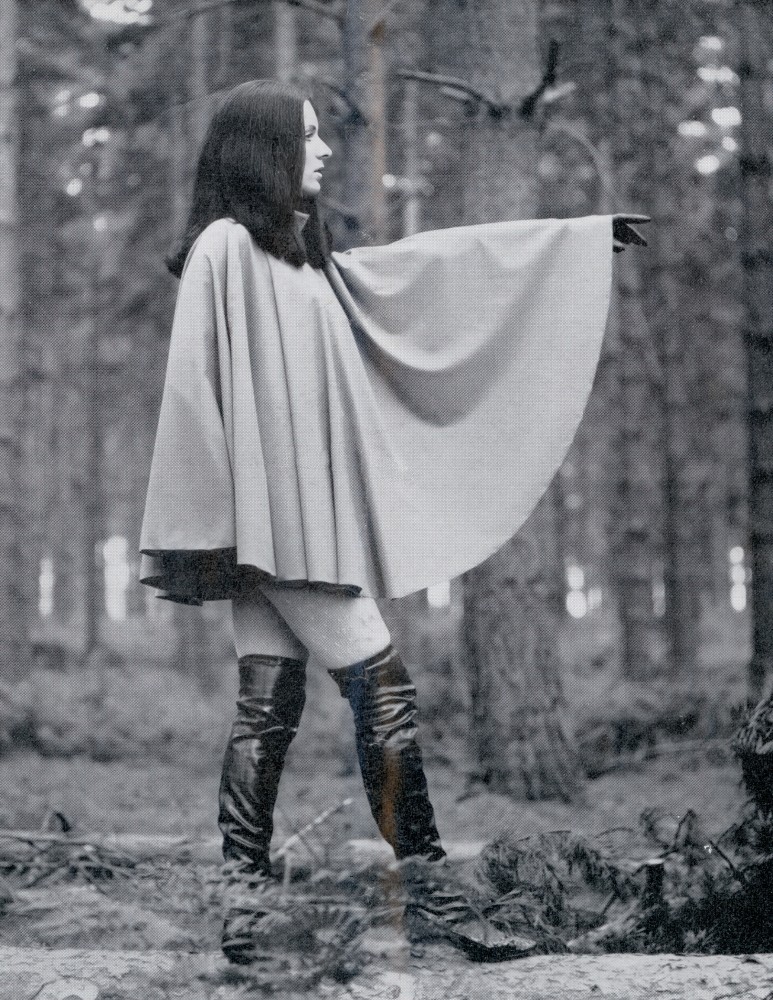
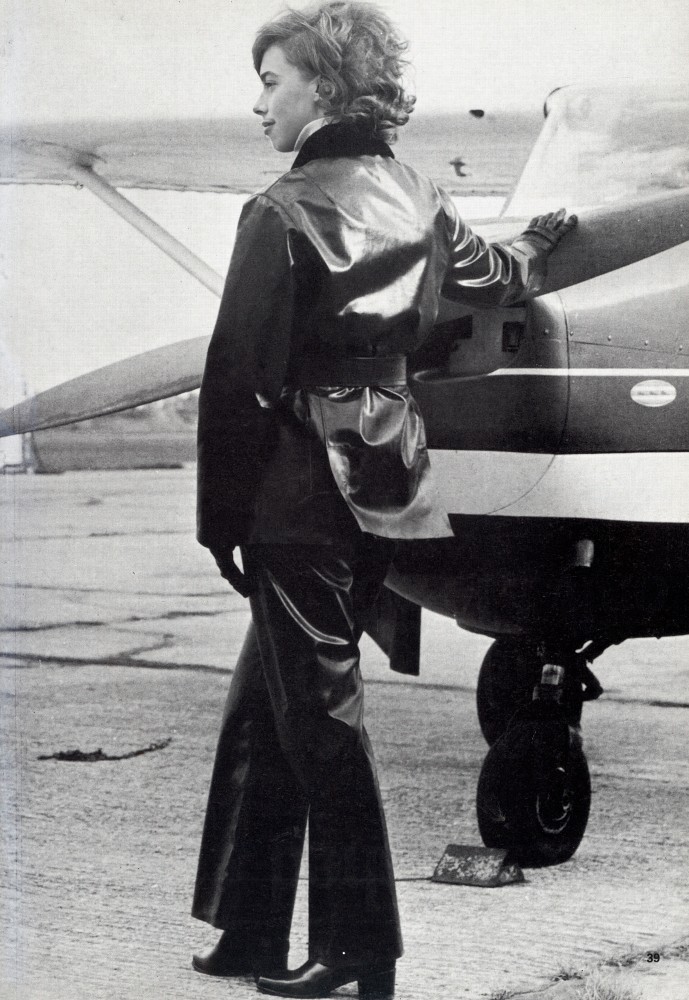
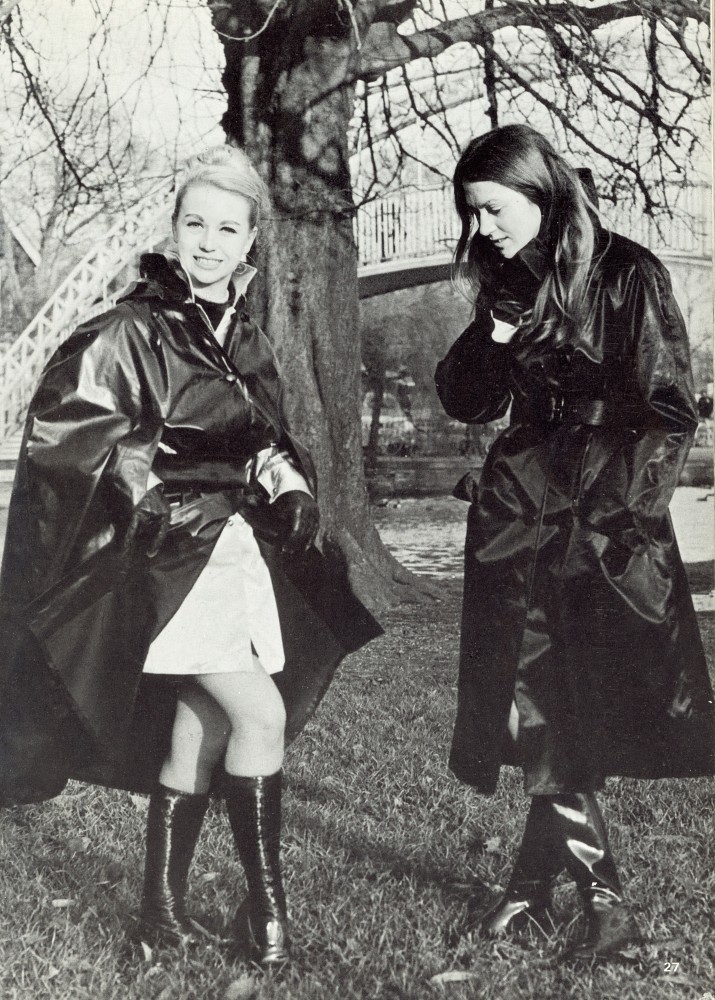
Rain was launched sometime towards the end of 1968 and was published by Ray and Veda Campbell. The Campbells were enthusiastic promoters of mackintosh fashion. Rather than concentrating on the practicalities of rainwear, they emphasised style, photography, and the social side of the fetish. Their aim was to present mackintoshes as fashionable, attractive, and fun to wear. They actively encouraged reader participation through articles and photographs submitted by readers. It also attempted to bring members together at social events, although how successful this was remains unclear.

The Vedamac Connection
An interesting aspect of Rain is its association with Vedamac.
The magazine openly promoted a range of shiny mackintoshes marketed under the Vedamac label and gave a contact address at 5 Castilian Terrace, Northampton. The editorial states that the publishers were actively involved in the development and sale of these garments, suggesting a close relationship between the magazine and the fetish rainwear business itself.
It would not be too much of a leap to suppose that “Vedamac” was derived from “Veda” and “Mac”, reflecting Veda Campbell’s involvement. 

The Emergence of Rainwear Review
Rainwear Review appears to have been a rip-off of Rain that first appeared around 1970 and was also available only by subscription.
In Rain Vol. 1 No. 6, Veda Campbell alleged that another publisher had copied the concept of Rain and adopted a confusingly similar title. According to Campbell, the dispute became serious enough to involve legal advisers, with the rival publisher ultimately forming a limited company, Rainwear Review Ltd., in order to continue using the name Rainwear Review. Campbell was keen to stress that Rain had no connection whatsoever with the new publication.
The following issue reinforced this claim. Rain Vol. 1 No. 7 carried the slogan “The Magazine that Leads – the others follow”, which may be interpreted as a further reference to the rivalry between the two publications. The same issue continued to identify Ray and Veda Campbell as publishers and promoted Vedamac products from their Northampton address.
These editorials indicate that Rainwear Review was not originally a straightforward continuation of Rain. Instead, the evidence suggests that the two magazines were separate publications and, at least for a period, direct competitors. 

The Final Chapter
Issue No. 11 of Rainwear Review, published in March 1972, was the last issue. In a moving editorial signed “J.G.W.W.”, he explains that he is writing from the Royal Marsden Hospital and has been told he has only a short time to live. He announces that the issue will be the magazine’s last.
Remarkably, the same editorial notes that demand for the publication had become so strong that the print run had been increased to 750 copies, a substantial number for such a specialised title. It also helps explain why these magazines are so difficult to find today. Seven hundred and fifty copies of each issue is not a large number to be distributed worldwide, and I would guess that the print runs of Rain were even smaller.
The editorial also mentions that while the magazine was closing, the related business Trudimac would continue trading, something I need to look into further, as we can again assume that the name was associated with Trudi Warne.

Why These Magazines Matter
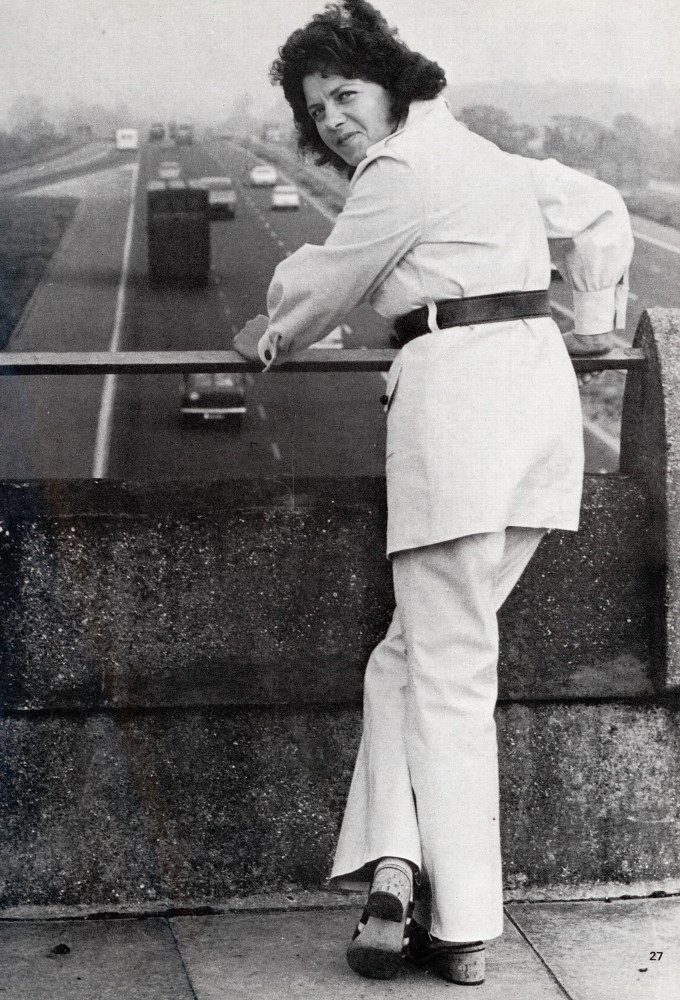
Today, original copies of Rain and Rainwear Review are far more than simply old fetish magazines. They represent an important chapter in the history of British mackintosh culture and provide a unique record of a specialised enthusiast community that flourished during the late 1960s and early 1970s.
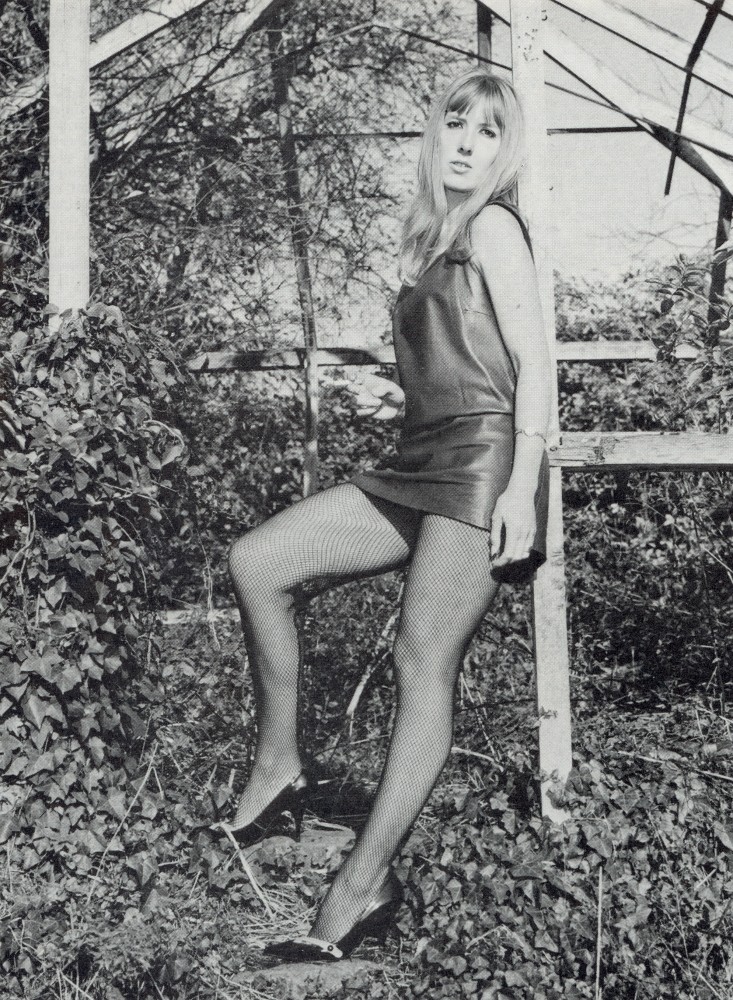
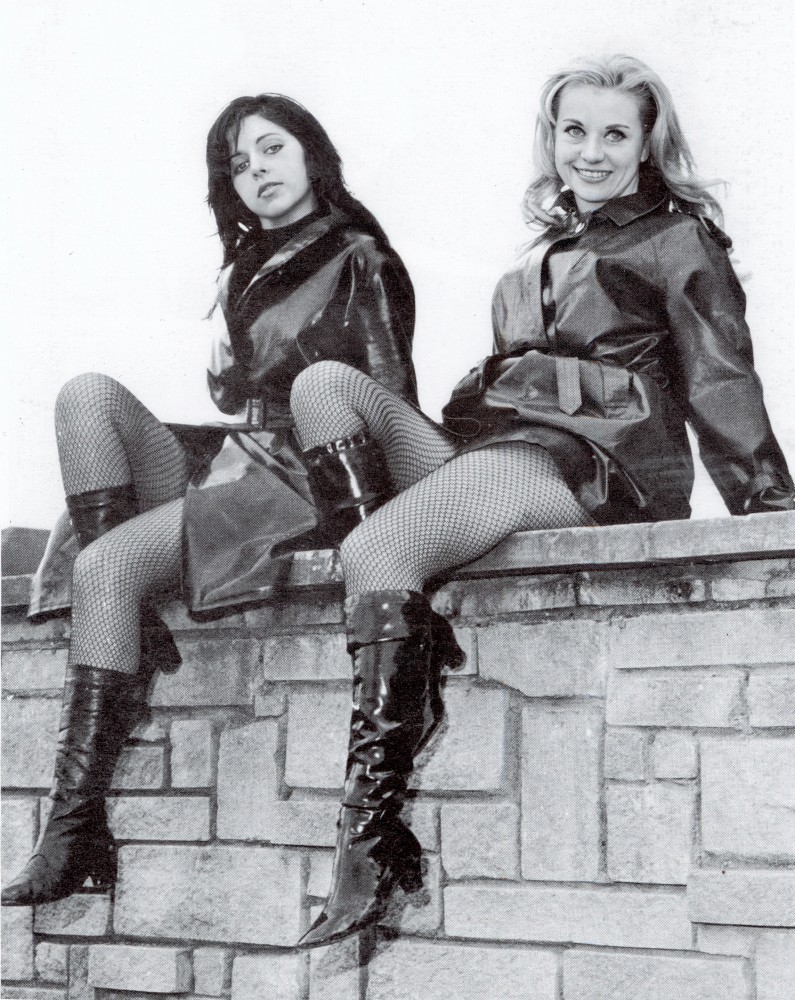
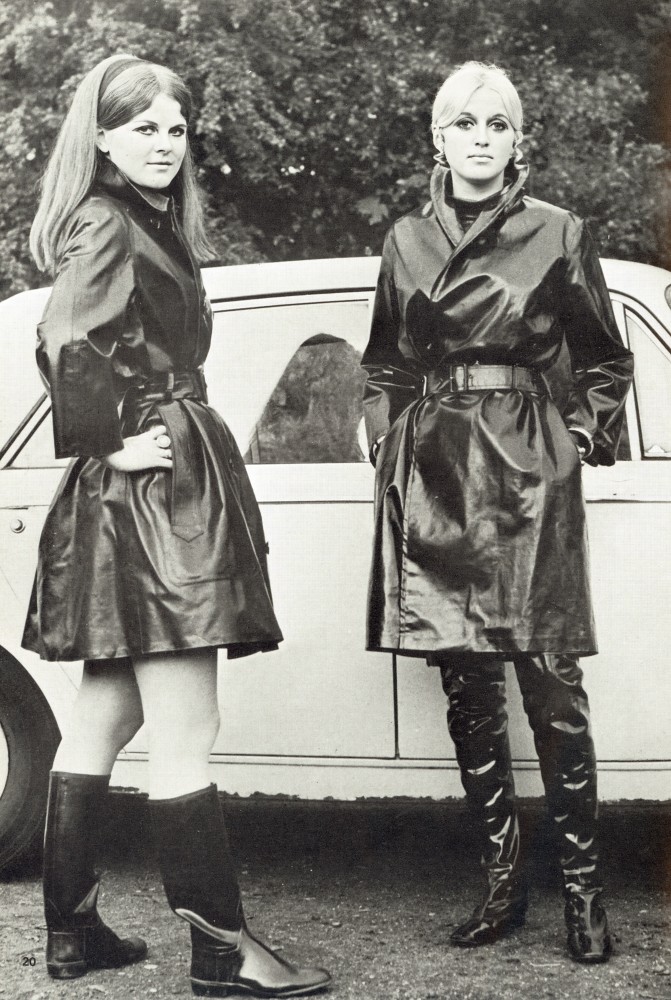
The magazines contain fashion photography, editorials, advertisements, society news, readers’ contributions, and material relating to companies such as Vedamac and Trudimac. Many issues were produced in modest quantities and were distributed primarily through subscriptions, making surviving examples increasingly difficult to locate.
For collectors, complete runs are exceptionally scarce, while even single issues provide valuable insights into rubber fetishism.
As surviving copies become harder to find, these magazines continue to grow in importance as historical documents and as highly desirable collectibles for anyone interested in fetish rainwear, specialist publishing, or the enduring appeal of the classic rubber mackintosh.

I have produced high-quality scans of the copies I own and made them available as downloadable files at a minimal cost. The original copies have also been listed for sale and can be found here.

If anyone has copies of either of these titles, then I would be interested in purchasing them or scanning them for others to enjoy. Please do contact me.

1

Housewives at Play – Eros Comix

Housewives at Play - Eros Comics and Rebecca

“Housewives at Play”, published by Eros Comix from the late 1990s onwards, depicted housewives engaging in lesbian and BDSM games while their husbands were away. The illustrations, beautifully created by “Rebecca”, were very explicit and graphic, leaving little to the imagination.

Sixteen very good to nearly new condition copies have been added to the Adult Comic category.

Atomage Magazines 

Atomage Rubberist Magazine

Atomage, the original A5-size magazine, was first published in 1972, and there are 32 editions. It was only available via subscription. A supplementary magazine was introduced with issue 13 in 1976, with there being 20 editions. You could never buy this separately; it had to be bought as an addition to the main magazine subscription. Both A5 magazines ended publication in 1980. 

Atomage International A4 size was first published in 1981, with there being just 10 editions. Atomage Bondage and Rubberist were introduced in 1982, and they both had 5 editions each.

Atomage publications are becoming increasingly rare as collectors appreciate their scarcity and the quality of their content. I have just acquired a small collection of supplements, International, Bondage, and Rubberist editions, and am constantly on the lookout for more.

Link to Rubber Category

QT and New QT Some History and Information

New QT - Russell Gay and Concord Publications 1970s Mens Magazine

QT started its life as a small-format pocket-size magazine first published towards the end of 1956 and, as far as I am aware, ran for 94 issues with the occasional special edition. Published by Russell Gay and Concord Publications, the original magazine was well-produced and stood head and shoulders above its direct competition, topless models, more or less from day one. It was printed on decent quality paper stock, making it a popular small-format glamour magazine during the 1960s. The last issue, I believe, would have been towards the end of 1964, and then nothing for 10 years, until 1974, when we saw the first issue of New QT.

New QT‘s first issue, 1974, again published by Concord Publications and Russell Gay. New QT had grown up into a full-size magazine with a very different feel to the original, with full-on nudity of both men and women. Great mix of sleazy glamour, all dressed up in superb 1970s underwear, explicit but not overly so, and certainly erotic rather than overly detailed, if you know what I mean. It had a decent mix of good-quality text and pictures in both colour and black and white.

I am not sure how many issues it ran to, but I have not seen anything beyond late number volume 3s, which would put its demise towards the back end of 1977. New QT is a great magazine and well worth a look if you are not familiar with it. Not that many are around, but when you do find them, prices are not that bad, but condition can be very mixed when buying second-hand.

I am definitely a fan, but I am generally a fan of most 1970s pornography. It’s just more erotic and less in your face than most modern stuff. If you have more information, then please contact me so that I can update this post. But most importantly, let’s have your opinion on New QT or porno mags from the 70s in general.  

Text below is taken from the inside cover page of the first issue of New QT.

We’re Back Fans

Just in case you’re one of the newer guys (or gals) and are wondering why the title is New QT, here’s why. Some years ago, when “glamour” photography and men’s magazines were very different propositions from the openly erotic, frank and relaxed products on today’s market, a photographer called Russell Gay decided to take the not inconsiderable risk of publishing a monthly pocket-size portfolio of the best and most daring (for the times) girlie pictures. He titled it QT and in its modest way it prospered.

Since then Russell has gone on to publish much more ambitious and glossy magazines such as Fiesta and Knave, and he has ventured into film making. But many old friends and customers have retained a nostalgic affection for QT and requested an updated version. Request granted, with pleasure ours, and we sincerely hope, yours.

New QT

Who needs words? At NEW QT we don’t like words all that much.

But we are in love with lovely girls. That’s why this NEW QT and all forthcoming issues will be devoted to them.

NEW QT’s for men who just like to see the female form in all its beauty and all its varieties. It’s not for men who prefer to read about something rather than actually seeing it. So you won’t find too much to read in NEW QT. But lots and lots to feast your eyes on!

Big girls, little girls, dark girls, blondes, black and white girls, girls with “fellas”, girls who like stripping, hirsute and hairless girls-yes, every issue of new NEW QT will be planned to cater for your own favourite fad somewhere in its pages.

And, if we’ve missed something out you like specially, tell us. We have tried to cater for most people’s individual fancies in this (and future issues). But, as I said, if there’s something else you would like NEW QT to feature regularly-or perhaps just once drop me a note about it as quickly as you can.

Link To Main Gallery – Opens In New Tab

0

Tip Top and Tip Top International – American Art Agency

Tip Top International - American Art Agency 1970s

From The Tip Of The Toes To The Top Of The Hose

Tip Top was unashamedly a magazine focused on stocking-clad legs, with Elmer Batters listed as the advisory editor in the early editions. Tip Top was published by the American Art Agency from 1960 to the late 1990s on a quarterly basis. It had great photography and was printed on high-quality paper from the start, which made the magazine much more vibrant than many others available at the time. Sadly, however, most of us in the UK did not have easy access to Tip Top and other quality titles from the American Art Agency.
That was until 1976, when Tip Top International was introduced for the UK market, certainly aimed at capturing all those Spick and Span leg fans who were suffering the demise of ToCo magazines at the time. Tip Top International even went as far as stating on the cover “legs like Spick and Span,” presumably in the hope of attracting some of ToCo’s customer base who might have been looking for something new. They certainly would not have been disappointed; it was a nice, quality, full-size magazine with glossy full-page model pictures, offering a lot more on show than you would ever find in a Spick or Span. Tip Top International was published monthly in the UK and then ceased to exist sometime in 1979. However, I believe there are only 3 volumes, so perhaps there was a break, or they were not exactly monthly.
Tip Top would certainly fall into my “magazine-like” pile, as both the USA and UK magazines have real appeal. They are hard to find, and when you do find them, they are always expensive. 

See Digital Copies at Brazen eBooks

This information, as always, is from my own research gleaned from the magazines I have, books I have read, and the odd bits you might find on the internet. If you know more or can add to or correct any of the above, please do contact me.

Magazine Picture Gallery

4

Harlots In Harness – Rosslyn News

Harlots In Harness - Bondage Magazine

Featured Magazine

Harlots in Harness, Volume 2, No. 1 (1981) – An excellent quality magazine with good storytelling to accompany the picture sets, which are both in colour and black and white. This is a nice, glossy 48-page magazine from Rosslyn News.

This book is available from the eBook store. The gallery below provides a preview of the contents. Link to the eBook copy (opens in a new tab).

Editorial – Harlots In Harness Volume 2 No 1

 There are certain rules and principles that all devoted bondage enthusiasts respect. They are little-known rules that are never mentioned, but which both participants follow. An experienced bondage fan knows how far he can go with his slave without causing harm, and he knows what not to do.

It is imperative that a beginning bondage lover also knows these rules so that he or she does not cause harm in either inflicting or receiving punishment.

Bondage is becoming more popular all the time. More people are realizing and looking for the enjoyment in bondage. Because of this new influx of beginners, it must be emphasized that bondage is for pleasure, not pain.
The stories you may read about someone being tied in an outlandish position overnight are written for fantasizing and reading enjoyment. They don’t really happen in the fine art of bondage as practiced by those who know and obey the rules.

Yes, it is part of the game to tell your slave, “You’re going to be gagged, blindfolded, etc., etc., for hours or even overnight.” This is part of the excitement, the tantalizing feeling that this might happen. But remember, a human being cannot withstand severe bondage for any length of time.
If you are using a gag, never leave the room. Always check to make sure the subject is breathing normally. If you’re going to use a mask, do so with extreme care, because some people might not think they have claustrophobia but quickly find out they do when a mask blocks out their senses. A rope, chain or strap should be attached to the front of the bed, leaving the feet and top of the body secured, so the slave has no way of reaching top or bottom. These are but some rules and suggestions for the art of bondage.
1

Bondage History the Early 1970s

Bondage History - 1970s Bondage

Featured Magazine

Bondage History: The Early 1970s, Volume 1, No. 2 (June 1980) – A nice quality quarterly publication from London Enterprises. It features all black and white images and no text, comprising 48 pages.
Opening Page Information

With this magazine, you are treated to a continuing series of top bondage photos by Jay Wells and his Master Gallery.

The late Jay Wells, of Detroit, had a special talent in this particular field and his work has drawn enthusiastic support from those who enjoy bondage executed with imagination.

This book is available from the eBook store. The gallery below provides a preview of the contents. Link to the eBook copy (opens in a new tab).

1

Escort – City Magazines 1958 – 1971

Escort - 1970s Mens Top Shelf Magazine

Escort magazine during the 1960s showcased British pin-up and glamour at its best, published as a full-size magazine rather than the familiar digest size that was popular throughout the UK in the 1960s. The content could not have been better, featuring full-page colour and black-and-white pictures mixed in with a bit of fiction and a few articles. What’s so nice about it and what personally draws me to it is that there is great model information, with nearly all models being named and basic facts provided, making it all the more interesting to collectors 60 years down the road.

What I have always found interesting is that Escort was found in newsagents at the same time as the ever-popular Spick, Span, and Beautiful Britons books, which couldn’t have been more different. Did the same customers buy both titles, and if they were Spick and Span fans, they might have been surprised to see some very familiar names in slightly racier pictures and poses. I suppose that those models who saw modelling as more of a profession than a few quid on the side were easily persuaded to show a little more.

A downside, however, is that the magazines weren’t numbered or clearly dated, other than having a month on the cover. All the late 1960s copies I have are priced at Five Shillings, so I won’t attempt to put them in any order when listing them. Simply enjoy them as excellent pieces of history when glamour and pin-up were at their absolute best, providing just the right amount of tease and excitement to keep you going throughout the day.

1