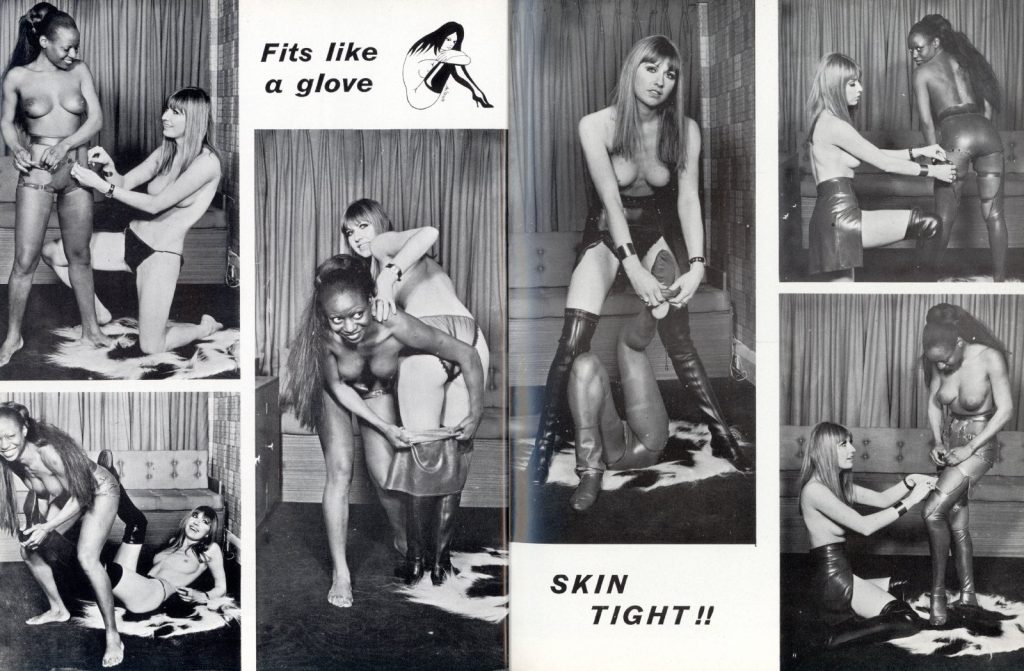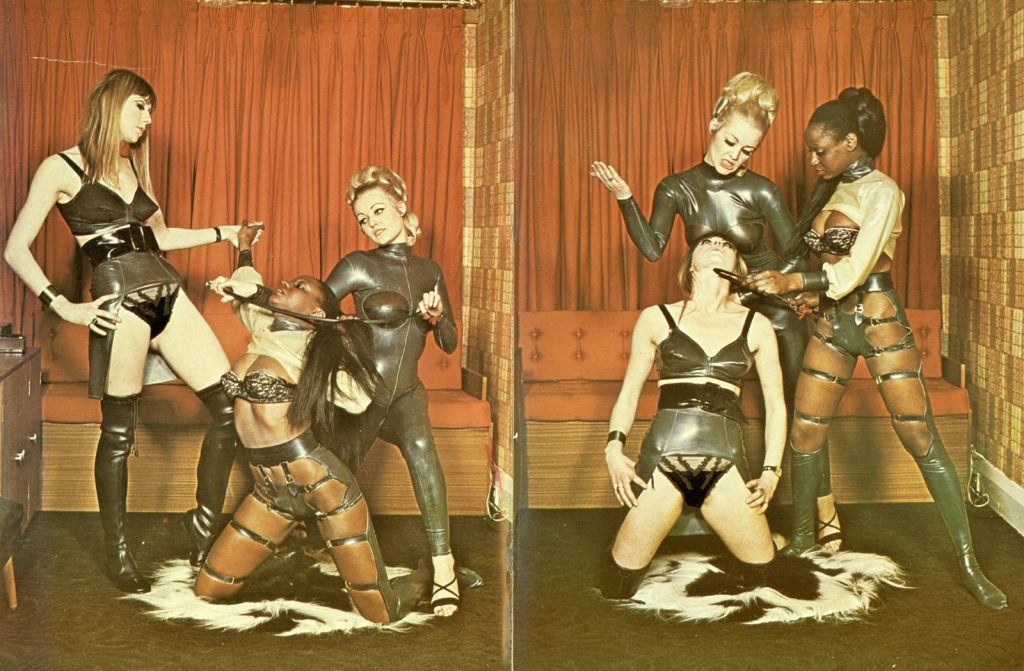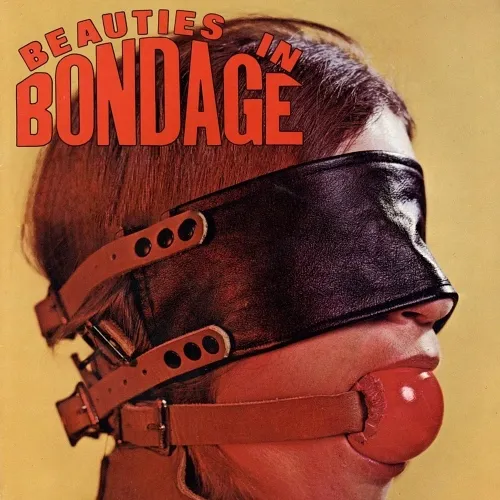
A look back at one of the 1970s’ most prolific bondage publishers
Long before the internet made niche interests easy to find, fans of rope, leather and restraint relied on the mail. Plain brown envelopes, small-print order forms, and a handful of publishers willing to serve an audience the mainstream newsstands ignored. One of the busiest of those was the House of Milan Corp.
A founder who saw the gap
The company’s story starts with Barbara Behr. When she turned 21, old enough to legally buy bondage material, she found there was very little out there to buy. So she started making it herself, launching her own company just as attitudes toward adult publishing were beginning to loosen. Her timing was far kinder than that of the legendary John Willie, whose work arrived a decade too early to enjoy the same open market.
At its height, House of Milan was a genuine one-stop shop for the devotee: two separate lines of B&D magazines, two correspondence clubs, a mail-order division, short films, paperbacks and its own range of leather restraints.
The flagship magazines
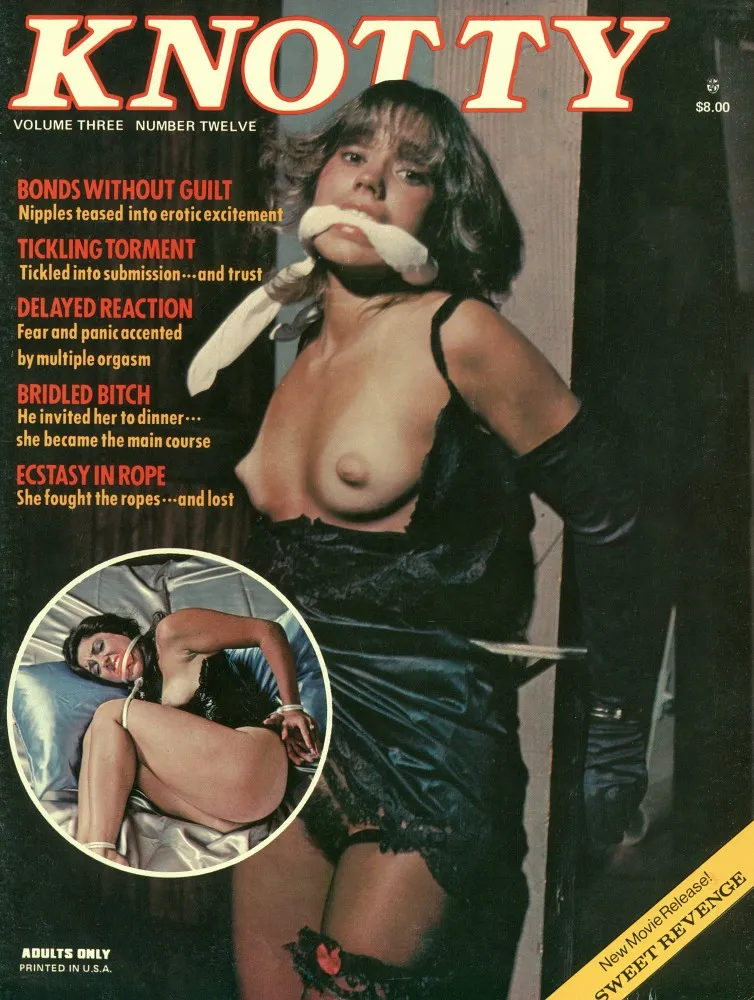
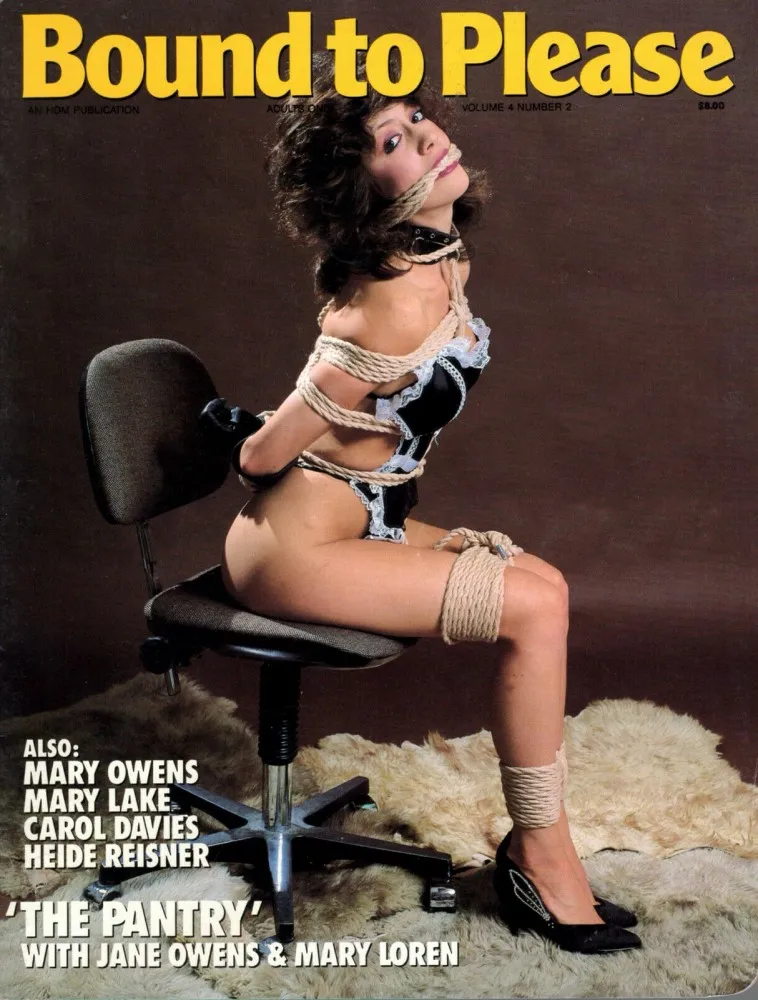
Behr’s first line, and her personal favourites, were HOGTIE, KNOTTY and BOUND TO PLEASE. They carried a consenting-adults ethos: alongside the photo sets came personal ads from readers, a lively letters page and regular artwork from the illustrator known as The Bishop. Custom leather garments, original restraint designs, nylons and heels all featured heavily.
A fourth title, NAKED BONDAGE, joined the line with a simpler pitch that did exactly what its name promised: solo and duo photo sets of gagged, roped and strapped models.
The Bishop and Fanni Hall
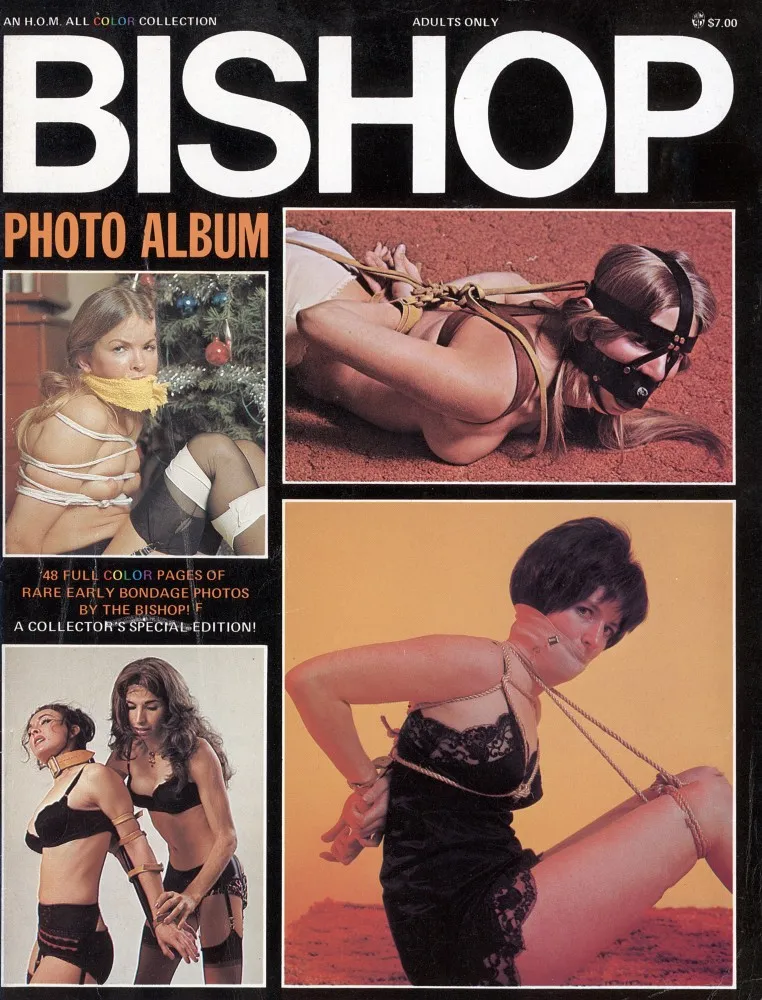
Illustrated fiction was central to the House of Milan identity, and The Bishop was its star. His comic heroine Fanni Hall first ran in KNOTTY before being spun out into her own releases:
- BISHOP: The Complete Fanni Hall, collecting the KNOTTY strips.
- BISHOP: Bunzie Gets a Surprise, a brand-new digest-sized story.
- BISHOP: The Plot Thickens, a full magazine-sized continuation.
Paperbacks: F.E. Campbell and the Butler Fellowes
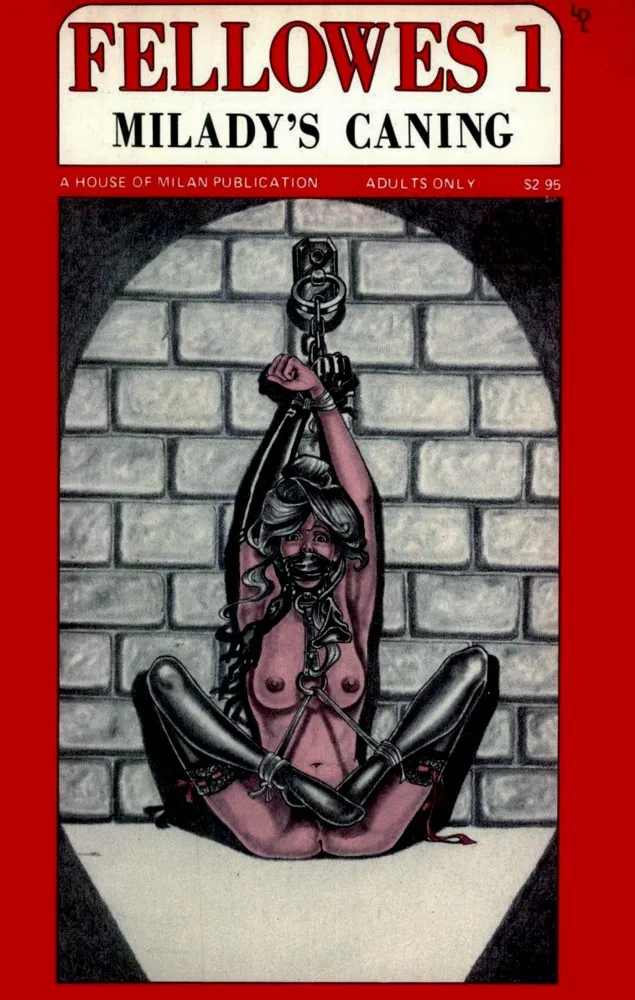
On the prose side, the company’s headline author was F.E. Campbell, with sixteen paperbacks in print and another sixteen in the pipeline. His novels explored captivity, cruelty and devotion to a dominant mistress. Perhaps the most charming format of all was the Butler Fellowes series: mini-paperbacks illustrated by newcomer Ashley, starring a butler who administers discipline with impeccable manners. Four were released early on, with eight more planned.
A rougher second line
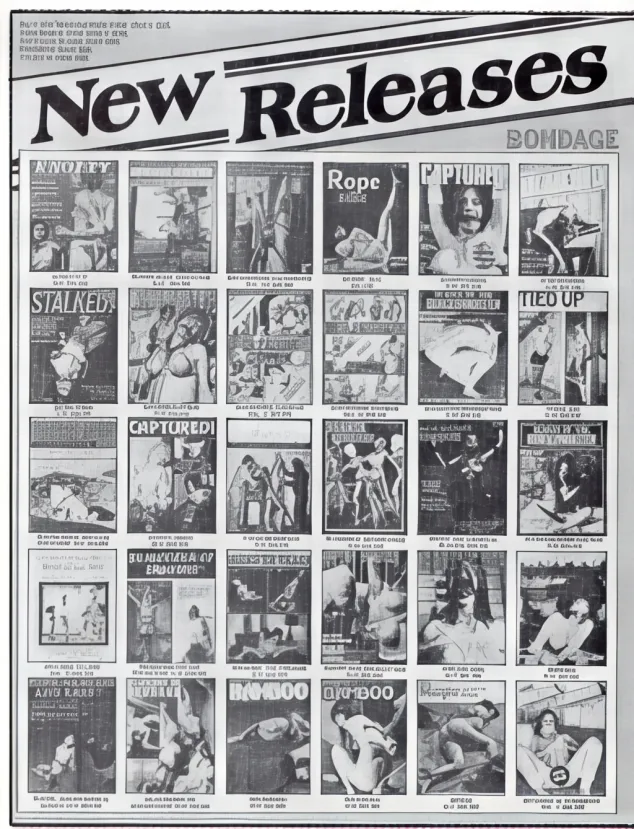
In 1975 the company launched a second magazine line for readers who wanted something more intense: KIDNAPED!, BONDAGE CLASSICS, CAPTURED and WHIPMASTER. These moved away from the playful tone of the flagship titles toward staged “impromptu” scenarios, more strenuous positions, tighter rope work and suspension. Short films such as Attacked (No. 110) and Interrogation (No. 112) followed the same approach.
Clubs, leather and mail order
House of Milan also ran two correspondence clubs: Aggressive Women, featuring only dominant ladies, and Latent Image, which catered more to submissives. Both worked as ad-driven contact magazines at a time when that was one of the few ways like-minded people could find each other.
The leather line came about almost by accident. Behr couldn’t find restraints good enough for her own shoots, so she had her own made. The result was a range of heavy-duty gear with quality hardware and a real emphasis on safe design. Its best seller, nicknamed the “Play and Breathe Too”, was a shoulder harness with cuffs at the back that held the arms behind the wearer without anything running up to the collar, a smart fix for a common and risky setup.
Rounding everything out was a mail-order division stocking B&D titles from major US and European publishers at discount prices. Customers simply wrote in for the free brochures and, naturally, stated their age.
Why it matters
House of Milan is a perfect example of how the 1970s fetish press really worked: small, founder-driven, and built as much on community (letters, contact ads, clubs) as on content. Behr’s operation spanned photography, comics, pulp fiction, film and gear, and the fact that she started it because she couldn’t find what she wanted says a great deal about the scene at the time.